



In the tradeshow and live-events industry, work happens under fixed deadlines and in temporary conditions. Crews arrive, build complex environments, and operate with little margin for error. In that context, preparation matters as much as execution. One way the United Brotherhood of Carpenters and Joiners of America (UBC) approaches readiness is through physical, hands-on environments that reflect the constraints of the jobsite.
Rather than relying solely on classroom instruction, the organization emphasizes learning that happens in built space. Temporary structures, mock-ups, and demonstration areas allow members to work through jobsite conditions before they encounter them on a show floor or event site. The goal is practical familiarity, not theory.
“You cannot prepare people for deadline-driven work in the abstract,” says John Hagaman, regional manager and director of tradeshows for the Eastern Atlantic States Regional Council of Carpenters (EASRCC). “They need to work in physical environments that reflect the conditions they will face on site. That is how consistency is built.”
Learning in environments that resemble the work
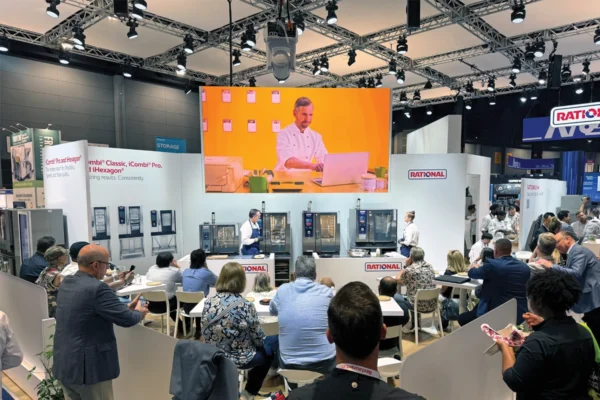
At union open houses, conventions, and training events, exhibit-style displays and demonstration areas are used to present the tools, materials, and methods members encounter in the field. These environments are temporary by design, assembled and dismantled within defined windows, and shared by large groups moving through them. That structure closely aligns with the conditions of tradeshows and live events.
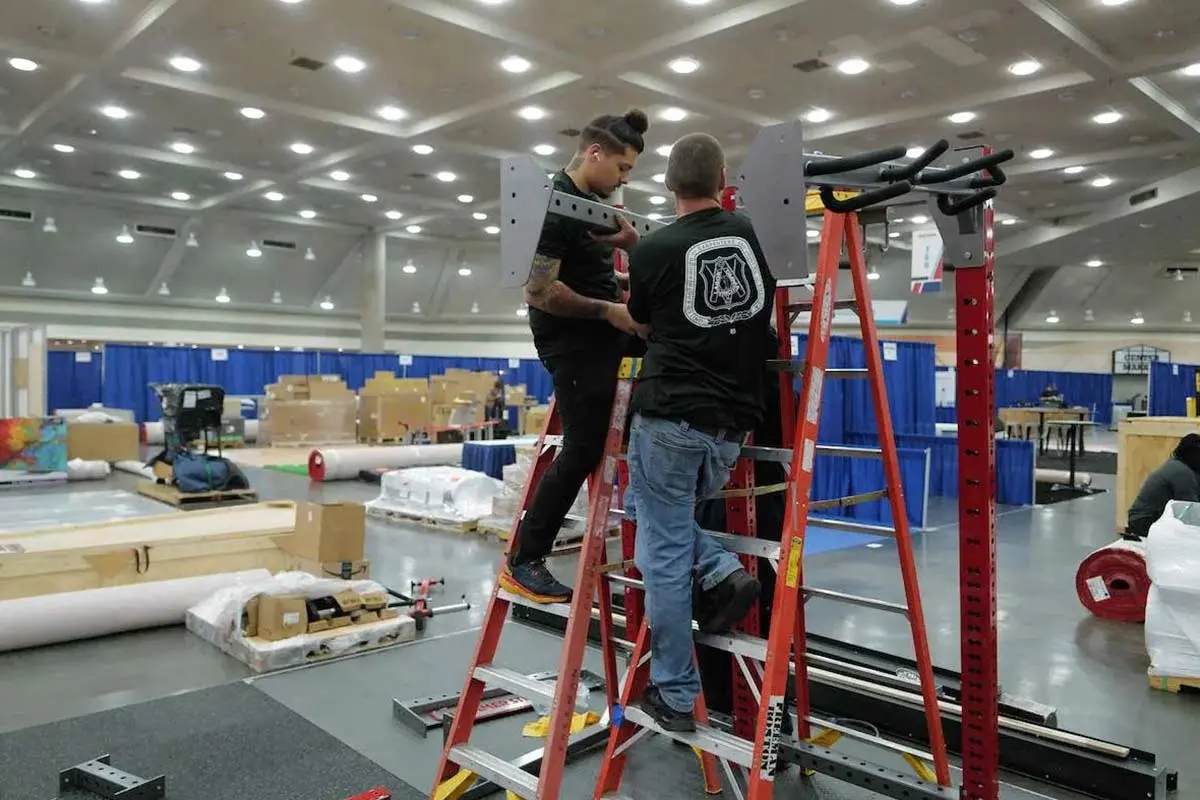
Within these spaces, members work directly with equipment, layouts, and safety systems. The focus is not on presentation, but on execution. By running through processes in a controlled setting, carpenters sharpen judgment and reduce on-site adjustments once deadlines are in play.
“When people can see the work environment firsthand, it changes the conversation,” says Robert Smith, executive training director at the Eastern Atlantic States Carpenters Technical Centers (EASCTC). “It allows them to understand the quality of work expected and what it takes to perform at that level before they ever step onto a live jobsite.”
These environments also introduce real pressures. Multiple crews operate at once. Timelines are compressed. Changes must be made without disrupting surrounding activity. Those conditions are familiar to anyone involved in installation and dismantle work.
Why physical gathering still matters
In-person environments serve more than a training purpose. They also support coordination across markets. When participants from different regions work through the same setups, they establish shared expectations around process, pace, and standards. That alignment carries back to local markets and becomes especially valuable when crews come together on large national shows.
“When people train and work through the same environments, expectations become consistent across markets,” Hagaman says. “That matters when crews come together on large-scale projects with no margin for error.”
For general contractors and show organizers, that consistency reduces risk. Teams unfamiliar with one another can still operate efficiently under pressure, guided by shared norms established before they step onto a show floor together.
From temporary setups to long-term infrastructure
Temporary environments are only one part of the approach. Permanent training campuses extend the same hands-on model year-round, allowing for repetition, evaluation, and refinement away from the pressures of live production schedules.
More recently, the Carpenters Union announced plans for a new regional hub at the Philadelphia Navy Yard, intended to serve as an operational headquarters and future training site. While specific programming for the facility has not yet been detailed, the investment reinforces a broader emphasis on physical space as a practical tool for workforce preparation.
What this means for the tradeshow industry
The takeaway is straightforward. Reliable execution depends on workers who have practiced under conditions that resemble the work itself. Whether those environments are temporary displays at conventions or permanent training facilities, the objective remains the same: readiness.
In an industry defined by tight schedules and temporary builds, preparation that happens in physical space remains one of the most effective ways to deliver consistent results.
The United Brotherhood of Carpenters and Joiners of America represents skilled carpenters and related trades across North America. Through training programs, hands-on learning environments, and regional infrastructure, the organization supports workforce readiness for construction, tradeshows, and live-event settings. For more info, visit https://www.carpenters.org.