



Why Exhibit Costs Keep Climbing and How Companies Are Adjusting
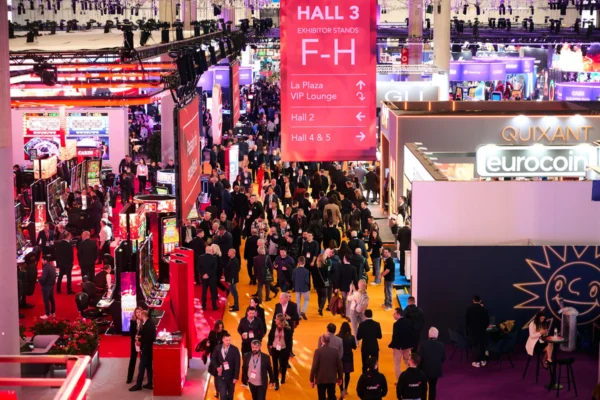
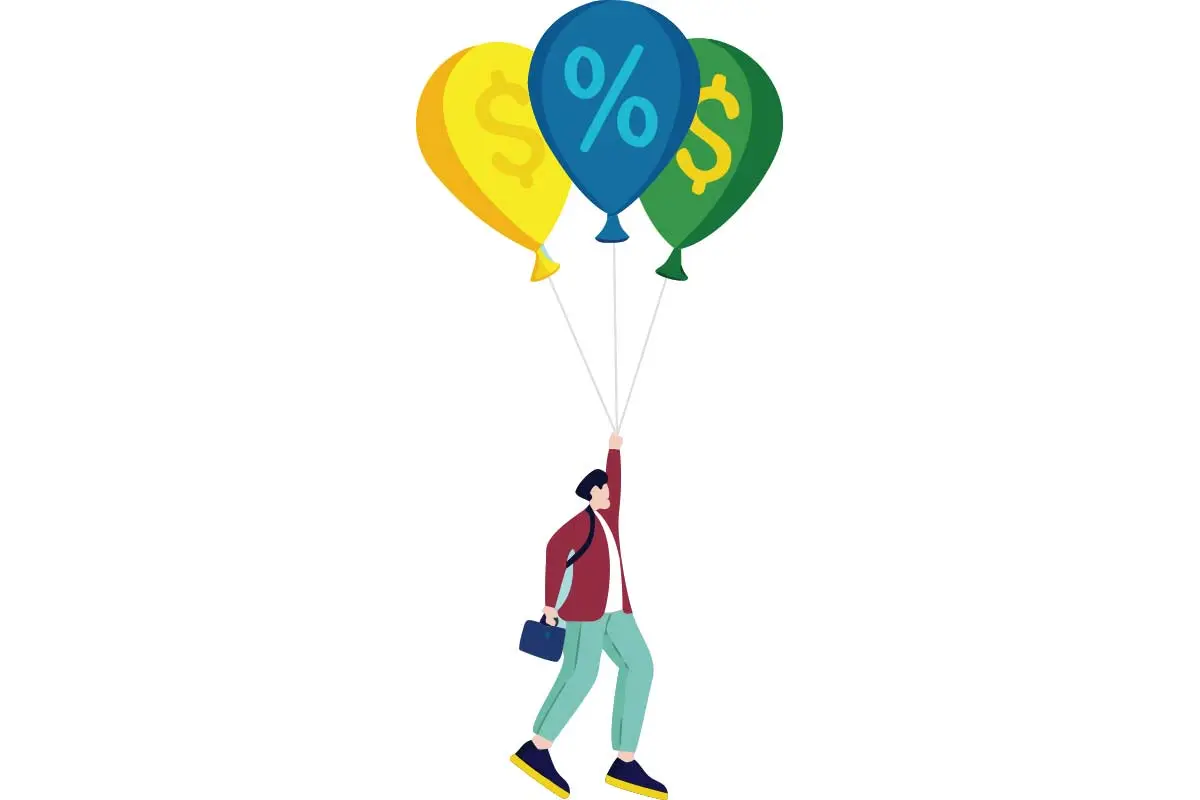
For exhibitors planning 2026 shows, the math no longer adds up. The booth program that cost $100,000 before the pandemic can now run nearly twice as much, and every part of the tradeshow budget, from drayage to rigging, feels heavier on the balance sheet.
According to the Center for Exhibition Industry Research (CEIR) Q2 2025 Index Report (September 11, 2025), industry performance remains 8.4 percent below pre-pandemic levels, with real revenues down 15.6 percent from 2019. Exhibitor participation is about 9 percent lower. The index also reports a 1.5 percent cancellation rate for in-person events, triple early 2025 levels, reflecting cautious spending as inflation, tariffs, and policy uncertainty weigh on budgets.
While attendance is close to full recovery, money isn’t moving the same way. According to feedback gathered by The Exhibitor Advocate, exhibitors say they’re paying a lot more for a lot less.
The Rising Price of Showing Up
Jessica Sibila, executive director of The Exhibitor Advocate, says exhibitors continue to face steep increases in material handling, labor, and electrical services. “Material handling, labor, electrical … exhibitors tell us they seem to be paying a lot more for a lot less.”
Her members are making adjustments. “Some exhibitors ship fewer heavy assets and use multimedia instead. Others cut back on giveaways and focus on fewer, higher-quality services,” Sibila adds. “They’re doing what they can to stay visible without going over budget.”
CEIR data backs up that squeeze: inflationary pressures, higher tariffs, and reduced corporate spending have eroded exhibitor margins, even as event organizers work to hold attendance steady. The report attributes the slowdown in real revenues partly to government policy shifts and rising service costs, which have reshaped how companies plan and prioritize event participation.
Costs That Double, Creativity That Endures
For exhibit builders, the pressure is tangible. “Most manufacturing materials have doubled or even tripled in some cases,” says Costas Varkarotas, principal and chief creative at Pure Creative Solutions. “The fees associated with rigging have skyrocketed. Labor is extremely high. Drayage is insane and continues to grow. Pretty much everything has doubled, making clients rethink their exhibit programs—or cancel altogether.”
Even so, creative ambition hasn’t disappeared. “Clients still push for creativity and drive their project over the edge only to get hit with reality,” Varkarotas says. “We end up constantly value-engineering without compromising on the design. Budgets are affecting initiatives more than ever, and in many cases expectations are unrealistic.”
He says the solution starts with honesty. “Conversations need to be open, honest, and sincere. People need to stop treating this like a game of poker. Realistic budgets should be discussed up front before design begins. This requires sound strategy and must be perceived as an investment, not a cost. Otherwise, it won’t work!”
With U.S. inflation hovering around three percent as of September 2025, and tariffs raising core goods prices, material and service costs remain unpredictable.
What’s Overrated, What’s Undervalued
If there’s a silver lining, it’s clarity about what matters. Exhibitors are becoming more selective, cutting line items that no longer earn their keep.
“Hanging signs have become so expensive, they’re not worth it anymore,” Sibila’s members tell her. “Several exhibitors told us that certain sponsorships are overrated too. They put your logo on a bunch of things, and no one sees it. Very few of those activations drive measurable results.”
At the same time, engagement, once considered an “extra,” is emerging as the real differentiator.
“Tradeshow budgets often prioritize the physical booth—structure, materials, logistics—while the true drivers of ROI, like engagement, are frequently underestimated,” says Brandon Sipe, vice president of sales at Elevation3D. “Content creation, interactive experiences, and audience engagement strategies are what make a booth memorable and effective.”
Sipe says clients who plan strategically can stretch their dollars further. “They reuse graphics, combine modular and custom elements, and integrate engagement planning early. Working with a partner that has distributed facilities also reduces logistics costs,” he says. “The smartest teams even tap into adjacent budgets—sales enablement, brand marketing—to fund digital assets that outlast the show itself.”
The CEIR Index echoes this shift. Attendee levels are just 3.7 percent below 2019, meaning the audience is back, but real revenue is lagging, suggesting exhibitors are investing differently. Spending is moving from square footage to storytelling.
Strategy Over Spectacle
That evolution is exactly what strategist Denise DiGrigoli, founder of Drive Media & Consulting, helps clients navigate.
“I get them to stop asking, ‘What’s this going to cost?’ and start asking, ‘What’s this going to create?’” she says. “Every touchpoint of an exhibit should be purposeful—whether that’s showcasing a product, deepening a client relationship, or launching a brand story that continues after the show. When strategy drives design, the spend becomes an investment, not an expense.”
She sees a clear cultural shift on the show floor. “It’s less about being the loudest and more about being the most memorable,” DiGrigoli says. “Brands are leaning into depth over footprint—smarter, flexible exhibits that tell richer stories and can scale across events.”
Her advice to leadership teams is simple: invest in connection, not clutter. “Leaders are juggling tighter budgets with higher expectations,” she says. “Redirect dollars from nonperforming architecture to genuine activations, team training, and meaningful tech. People and purpose outperform flashy lights every time.”
Beyond the Booth
That mindset extends before and after the show, too. “Pre-show storytelling doesn’t get enough attention,” DiGrigoli adds. “The real magic happens when teams align on the message, when pre-show buzz builds anticipation, and when everyone steps onto the floor ready to live the brand story—not just stand in it.”
She says smart clients also budget for post-show photography and video. “They understand that what happens on the floor is just the beginning. Capturing organic moments keeps the investment alive long after dismantle. Engagement and storytelling aren’t extras anymore; they’re essential.”
According to CEIR data, about one-third of tracked events now exceed pre-pandemic performance. Despite flat revenues, attendance remains strong, and exhibitors are focusing more on value creation than visibility as government spending cuts and tariffs continue to strain the economy.
Leaner, Sharper, Still Standing
For Sibila, that shift reflects exhibitors’ adaptability. “Planners have to be more agile and strategic, adapting to the evolving landscape with remarkable savvy to create success on shoe-string budgets,” she says.
Varkarotas agrees. “The cost reality is forcing everyone to get smarter, not smaller,” he says. “Those who can communicate honestly, design efficiently, and execute cleanly will still win.”
And while the numbers may not yet match 2019, the mindset has evolved. Exhibitors are building leaner, telling better stories, and measuring impact in new ways.
The cost of having a booth may be higher than ever, but for those who plan with purpose, the value of being there is rising too.
Exhibitors continue to adapt to higher costs by refining strategies, focusing on measurable outcomes, and maintaining a steady presence on the show floor.
Image credit: Adobe Stock
This story originally appeared in the Q1 2026 issue of Exhibit City News, p. 24. For original layout, visit https://issuu.com/exhibitcitynews/docs/exhibit_city_news_-_jan_feb_mar_2026/24.