



I am an unabashed tradeshow enthusiast. I admit it: I’m a fan.
I enjoy shows. They’re fun and full of energy. They keep people employed. They create business sales. They promote ideas and provide networking. They bring visitors and dollars to a region. What’s not to like?
But sometimes I am confused by what is considered a tradeshow, and what isn’t. Some official organizations count only B2B (business-to-business) events, but not most business-to-consumer shows (auto shows, boat shows, etc.). I suggest public shows should count as tradeshows if they have a designated exhibit area and showcase companies promoting products or services. Here is one example of a non-traditional event that I consider to be a tradeshow: EAA AirVenture Oshkosh 2026 July 20-26, 2026
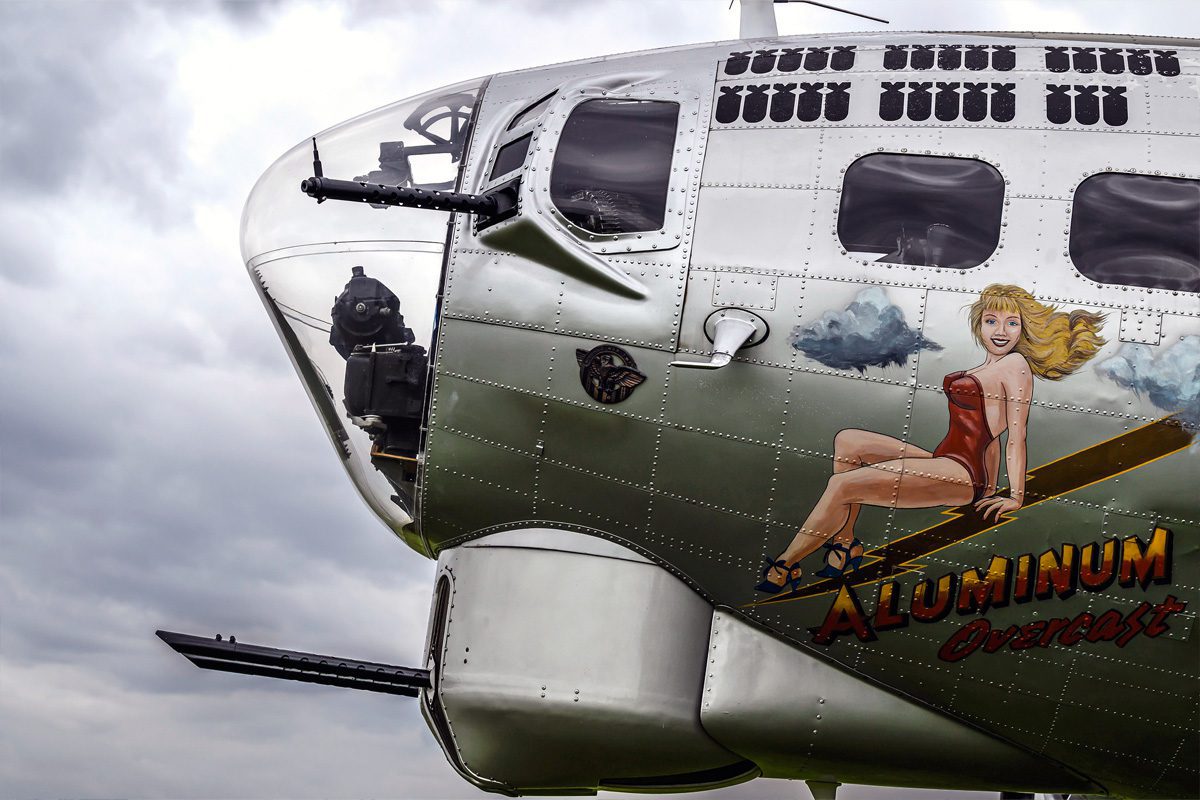
Proclaimed as the “world’s greatest aviation celebration,” this annual event “features a wide variety of aircraft from new models to historic warbirds with daily airshows and static displays.” Located at the Wittman Regional Airport in Oshkosh, Wisconsin (OSH), this event is part festival, part air show, part museum, part tradeshow, and all spectacle with nighttime planes launching fireworks off wings.
Last year the Experimental Aircraft Association show attracted a crowd of 704,000 people from 94 countries, 2,543 show planes, 962 exhibiting companies. The total number of aircraft takeoffs and landings (16,246) at OSH exceeded the average weekly total at either Chicago’s O’Hare or Atlanta’s Hartsfield-Jackson Airport. Now that’s a busy week for air traffic control!
The event created a regional economic impact of $257,000,000.

Similarities to a Tradeshow
It has exhibits. It has a general contractor (GES). It has attendees. The show has a four-day move-in, and a four-day move-out. The show has classes, workshops, demonstrations, and displays – only at this show most of the displays are in pavilions, airplane hangars or under tents, as opposed to inside a convention center. All types of companies exhibit including fabricators, engine makers, tech companies, finance and insurance companies, aircraft and helicopter companies. Recognizable brands include:
» American Airlines, AT&T, Bombardier, Bose, Cessna, FedEx, Ford, Garmin, Goodyear, GoPro, Gulfstream, Honda, Kohler, Matco, Oakley, Parker, Phillips 66, Piper Aircraft, Pratt & Whitney, Ray Ban, Shell, Sirius XM Radio, Smithsonian, Southwest Airlines, T-Mobile, Teledyne, Textron, Toyota, plus displays from the Air Force, Coast Guard Marines, Navy, NASA, National Business Aviation Association (NBAA), NORAD, National Transportation Safety Board (NTSB), multiple states and dozens of universities and other associations.
How does this show compare with more traditional tradeshows in the same industry? The Paris Air Show is the B2B show for the aerospace industry. In 2025, the show attracted 2,400 exhibitors and 305,000 people from 48 countries. Indoor exhibit space totaled 1.35 million square feet (that number does not include the outdoor static displays), and approximately $21 billion in sales orders were written onsite. NBAA last year in Las Vegas had 760 exhibitors, 17,000 attendees, and 237,500 square feet of indoor exhibit space.
Origin of the Show
I like origin stories, whether it’s Star Wars, Star Trek, Homer’s Achilles, Stan Lee’s Peter Parker, or Mary Shelley’s Frankenstein. Maybe that’s why I wrote a book about the first modern tradeshow. Anyway, the hero of this story is Paul Poberezny—an aviator, aircraft designer, and entrepreneur. He served in the United States Air Force during World War II and Korea, retiring with the rank of lieutenant colonel. He popularized aircraft homebuilding with the founding of EAA. Their first fly-in was part of the Milwaukee Air Pageant in 1953, and EAA hosted 150 visitors and 22 planes. Since then, the show has grown in size and numbers as it promoted education, recreational aviation, safety, and fun.
Whatever the size or type, tradeshows work. They work very well.
This story originally appeared in the Q3 2026 issue of Exhibit City News, with the original magazine layout available here.