



By Daniel Pycock
Clear responsibilities, reliable handovers and a plan for recovery matter long before the doors open.
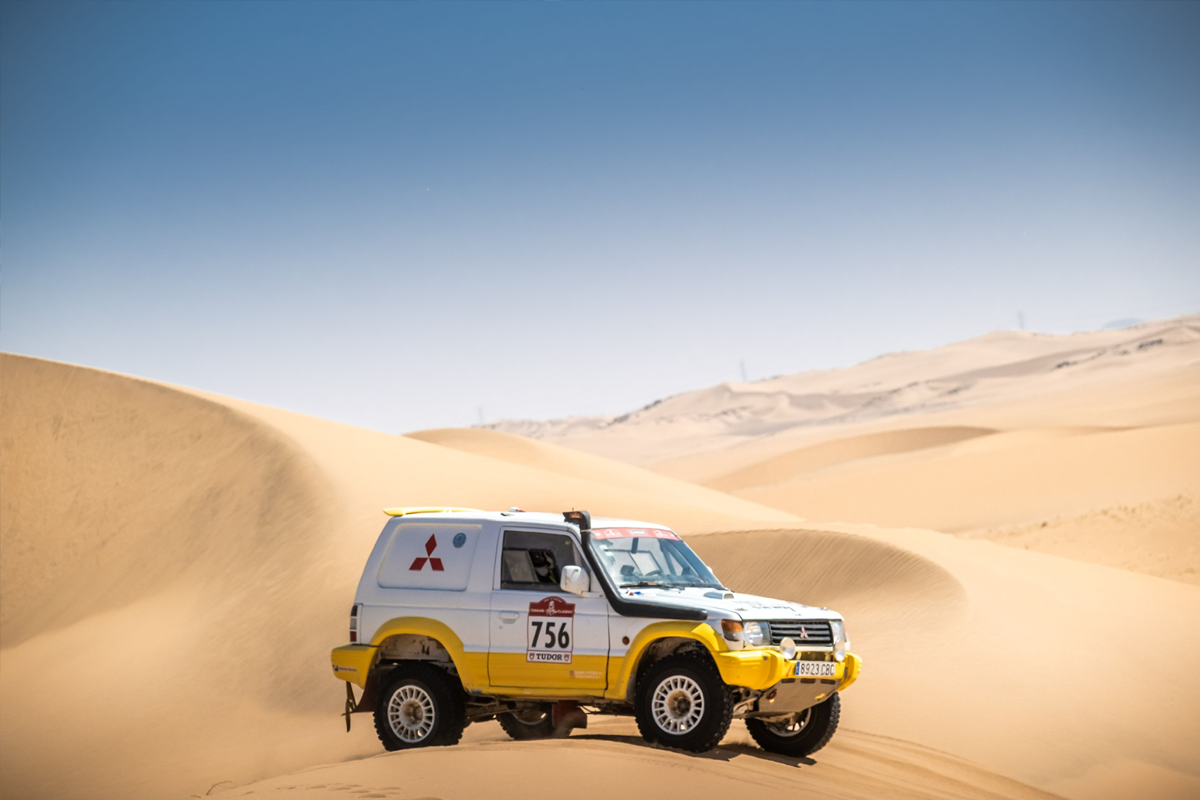
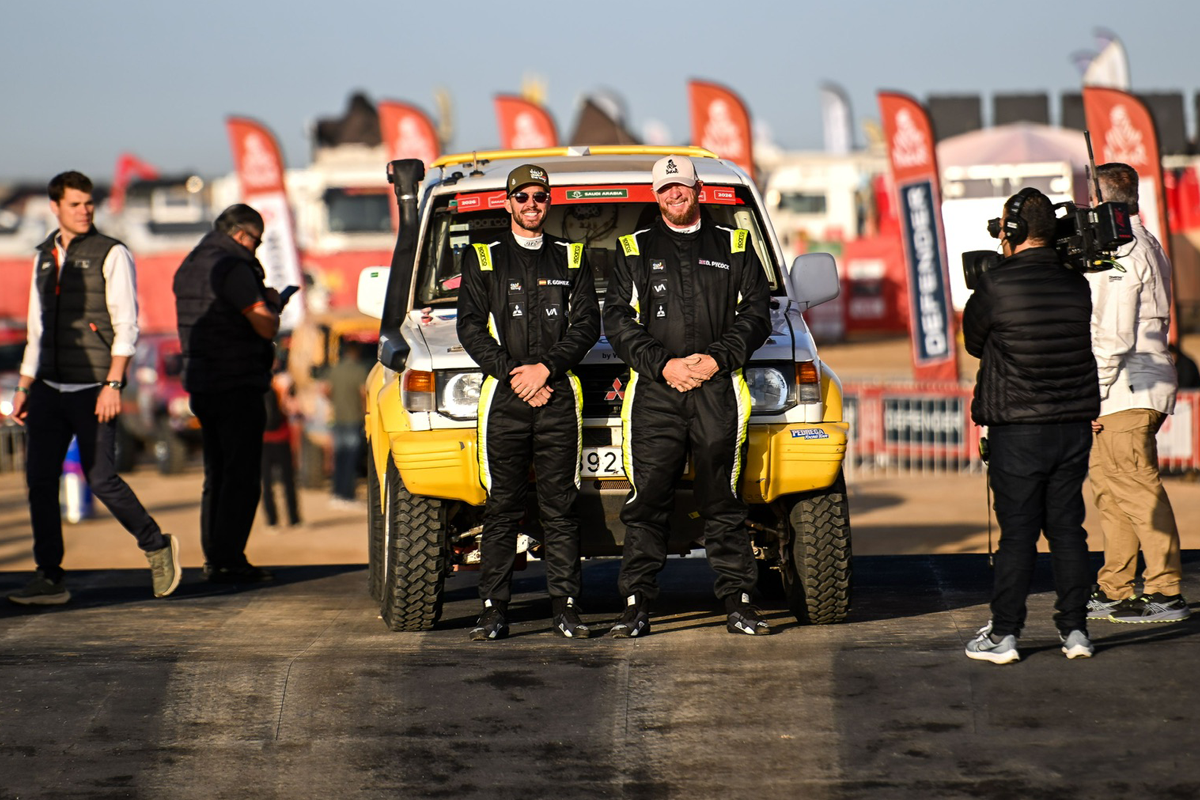
A radiator failure meant my business partner Fran Gómez and I missed a stage of the 2026 Dakar Classic. We restarted the following stage and eventually brought our 1993 Mitsubishi Pajero to the finish.
That detail matters. A finish-line photograph shows the outcome, but very little of the work that made it possible.
I run an audiovisual production business, so I am used to seeing projects through that same gap between the polished result and the complicated process behind it. Visitors arrive at an exhibition and see a functioning environment. They do not see every delivery, technical check, revised plan or conversation needed to get there.
Dakar gave me a different setting in which to think about that work. Fran was my navigator as well as my business partner. We had a clear objective: reach the finish. Keeping that objective achievable required us to look beyond the next obstacle.
For exhibition and tradeshow teams, I think there are several useful lessons in that approach.
Define the result before choosing the pace
In the Dakar Classic, regularity matters. Simply going faster does not mean you are performing better.
Production teams can fall into a similar trap. A crew can look extremely busy while a dependency that determines the whole schedule remains unresolved.
For example, completing a display installation means little if the final content has not been tested on it. Delivering equipment to the venue is different from having it in position, powered, checked and ready for the next team.
Before work starts, I want a precise answer to a simple question: What does “ready” mean?
For a presentation area, that might include approved content, a tested signal path, clear communication between operators and an agreed fallback. Those conditions should be visible to the people doing the work.
Otherwise, each team can report that its part is finished while the overall production is still unready.
Put responsibility at the handover
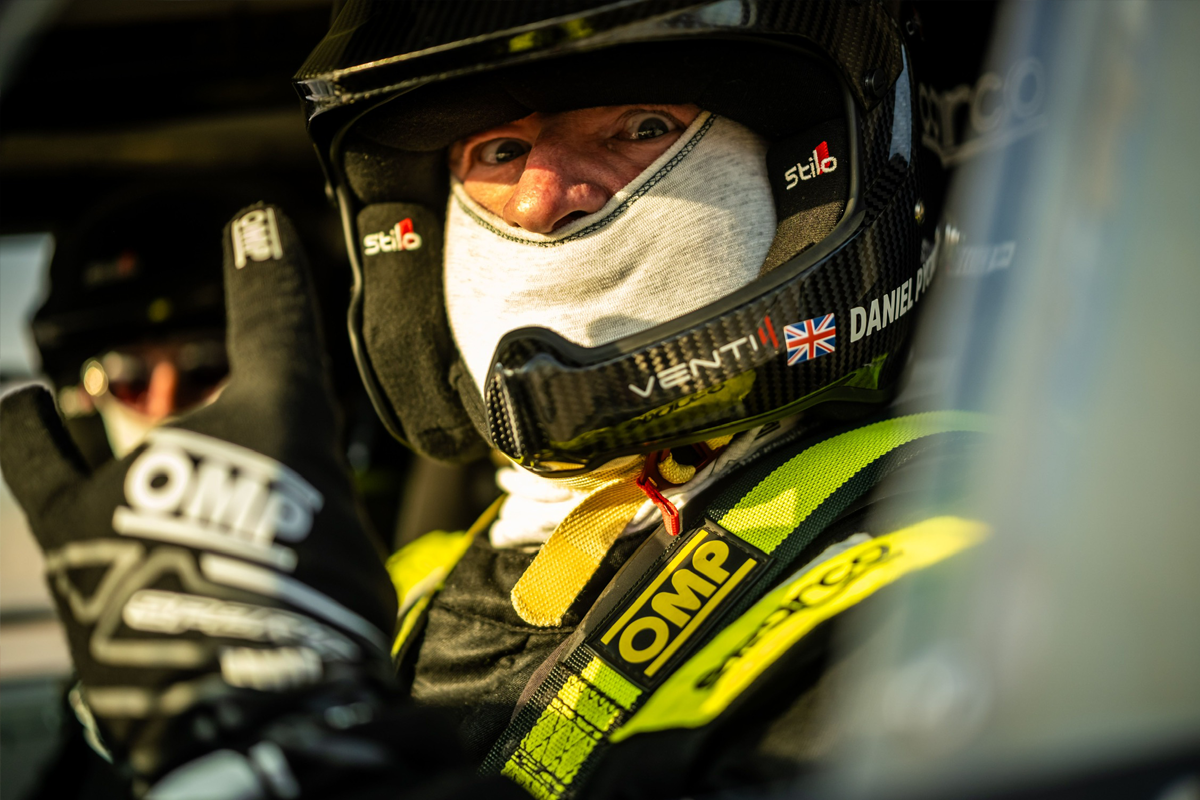
A driver and navigator have different jobs, but the value of those roles depends on how they work together. Information needs to arrive clearly enough, and early enough, to be useful.
On a show floor, the equivalent is the handover between departments, suppliers and shifts.
Consider a late content change. The person receiving the file may not be the person approving it, loading it or operating it during the show. If responsibility stops at “I sent it,” there is plenty of room for failure.
A useful handover confirms what changed, which version is current, who has checked it and what still needs a decision.
The same applies when a crew finishes its shift. A replacement team needs to know what remains incomplete, what has been temporarily changed and where a problem is likely to appear. Leaving those details in one person’s head creates unnecessary dependence on that person being available.
The practical question is not just who owns a task. It is who confirms that the next person can safely continue.
Make the fallback usable
Our mechanical failure forced a change of plan. Getting back into the rally depended on repair and support, rather than on how strongly we wanted to continue.
That experience reinforced something important for me: recovery needs resources and a workable sequence.
A spare item listed on a production plan is only useful if it is compatible, accessible and someone knows how to put it into service. A backup presentation is only useful if the operator knows which version to open and when to switch.
Before a show, I would rather ask a few uncomfortable questions than discover the answers during a failure:
- What would stop this area from opening?
- Who can decide to use the fallback?
- How long will the change actually take?
- Who needs to be told?
These questions also expose dependencies. If one person must approve every small change, that person can become a bottleneck at exactly the wrong moment. Authority should be clear before the pressure arrives.
Protect the next day
A multiday exhibition makes demands that continue well beyond opening morning. Equipment needs attention, content changes, people hand over and the next day still has to work.
Our rally objective required us to think about the condition in which we would arrive, not only whether we could get through the current section. The car and the people inside it had to remain capable of continuing.
For production teams, that means planning maintenance, rest, replacement cover and checks as part of delivery. A schedule that works only if nothing needs attention leaves the team with very few options.
There is also a leadership responsibility here. If people believe that reporting a problem will be treated as weakness, they have a reason to stay quiet. I want issues raised while there is still time to respond.
Review the recovery as carefully as the result
We finished Dakar Classic, but the missed stage remains part of the story. Removing it would remove much of what made the experience useful.
After a successful show, it is tempting to move straight to the next project. That can leave the team repeating the same difficult recoveries because nobody records what caused them.
The debrief should ask where the plan held, where it depended on improvisation and which problem was caught by someone before it became visible to the client.
Then assign an owner to the change. A lesson discussed but never built into the next project is easy to lose.
I am proud that Fran and I reached the finish. What I brought back to production was a sharper appreciation of the decisions, handovers and support that make an outcome repeatable. Those are worth examining even when the final photograph looks exactly as planned.
About the author
Daniel Pycock is CEO of VA 361 Productions, an international audiovisual production company based in Spain. He and his business partner and navigator, Fran Gómez, completed the 2026 Dakar Classic in a 1993 Mitsubishi Pajero.