



In our book, The Invisible Industry, Bob McGlincy and I set out to tell the stories of how tradeshows have evolved to their present state in the USA.
So, where did exhibit designers learn to design a tradeshow exhibit?
Beginning with the World Fairs, the concept of creating an event to showcase world cultures, and display new inventions, evolved to form the creation of industry specific tradeshows as we know them today.
The early tradeshow organizers in the USA (1880-1920) recruited supplier companies who provided flags, floats, and floral decorations for state fairs and farm shows to assist in managing the first industry specific tradeshows. Show contractor companies like Brede, Hale, Shepard, Fern, and Freeman led the way in organizing the first U.S. tradeshows with industry associations.
These contractors created the booth spaces and provided basic exhibit components and services for the exhibitors. In time, the basic exhibit components offered were not enough. Exhibitors wanted to display their brands and products with greater flair to attract attention. Many of the flag, float, and sign companies then created a side company to provide a more creative exhibit display. Over the years, these side companies created a new kind of business—the Exhibit Display House. Exhibit supply and service companies cropped up throughout the country along with the new convention centers in major cities.
The creative exhibit designers were often the owners and carpenters of their display companies. In time, the need for a skilled exhibit design artist was a requirement to compete with the other display houses. Their design skills were acquired from their previous jobs or hobbies where artist talent was needed.
Fast forward 100 years, the best exhibit designers in the industry today also have applied the skills they learned elsewhere—interior design, industrial design, architecture, fashion, and graphic design. They applied their design skills from their previous jobs and learned to become good exhibit designers. Magic marker drawings quickly shifted to CAD drawing. Creativity was still required, but in a different media.
The tradeshow, meetings, events industry has now grown to represent a $1 trillion contribution to the US economy. Yet, few have gone to school for training. Most of the employees in the industry have fallen into it. They each applied their skills that they learned elsewhere to achieve success. This was good, but further avenues for training needed to be created to ensure the highest of professional skills for growth.
Today, there are over 35 different exhibit industry associations that represent different segments. Each group is taking aggressive steps to provide educational training and certification programs to prepare their members for higher levels of contribution and pay. They are not sitting on the sideline hoping for continued success with homegrown employees.
One association that has consistently pushed for exhibit designer education is Experiential Designers and Producers Association (EDPA).
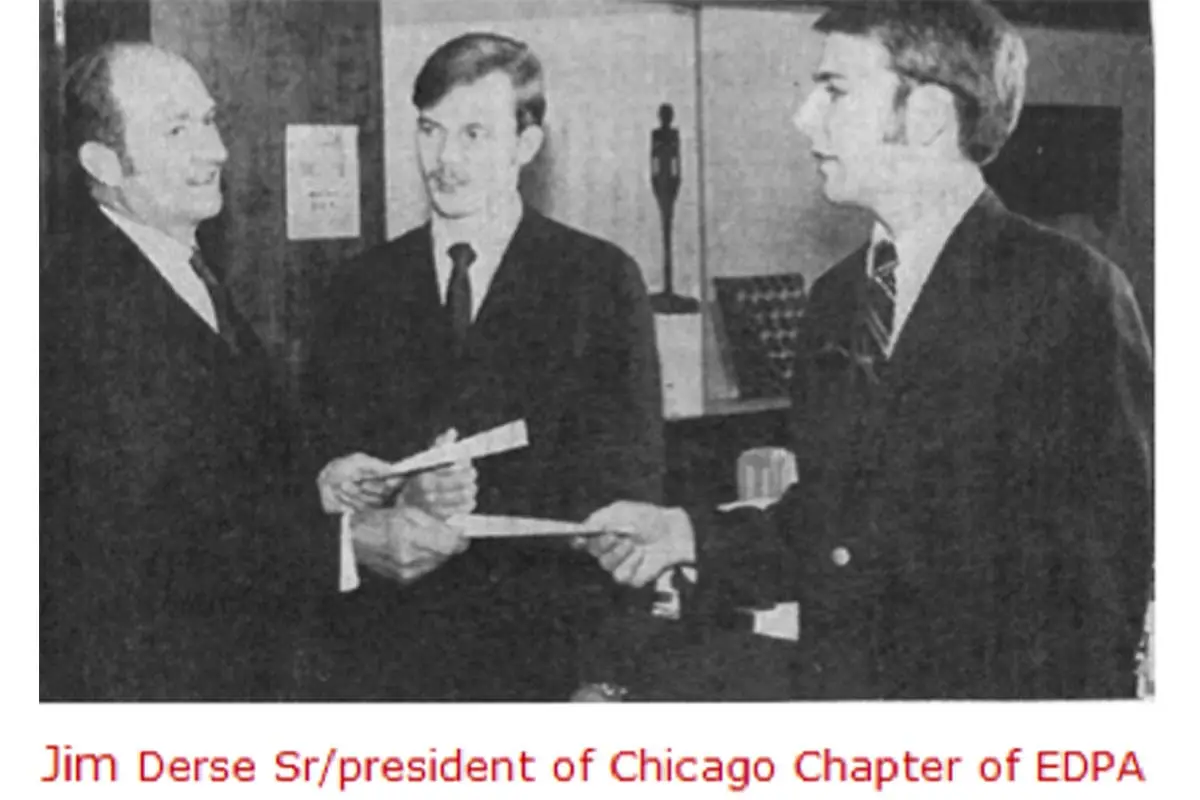
EDPA started in 1956. Back then, EDPA members were the owners of exhibit companies. They held an annual meeting, but most interaction was among the EDPA chapters. The Chicago chapter of EDPA was led by Jim Derse, Derse Advertising Company. The chapter created the first scholarship award for students who had design talent and a keen interest in exhibit design. The first students were from Layton Art School in Milwaukee. Companies like Derse, and others, hired students as interns to learn the business. This was the start of exhibit designer education.
Three American universities have now successfully created college-level programs with degrees in Exhibit Design. EDPA, and their member companies are providing firsthand assistance and mentoring to each.
- Bemidji State University in Minnesota
- Auburn University in Alabama
- FIT in NYC
The story about the start of exhibit design training at these three colleges will be shared in Part II of this Exhibit Designer Education article series.
Over the years, EDPA has worked hard to build stronger awareness and opportunities within the tradeshow industry. They also have created an Education Foundation that has played a strong role to support their members, and to assist major universities with scholarships and exhibit design mentorship.
Each year at the ExhibitorLIVE event, EDPA donates an exhibit area for the college level design students to present their portfolios and to learn more about the industry. EDPA clearly sees the value in carving a path for exhibit designer training, education, and awareness.
Our invisible industry is no longer invisible.