



Over a year ago, in my January ’25 column, titled The Future of Tradeshows, I wrote:
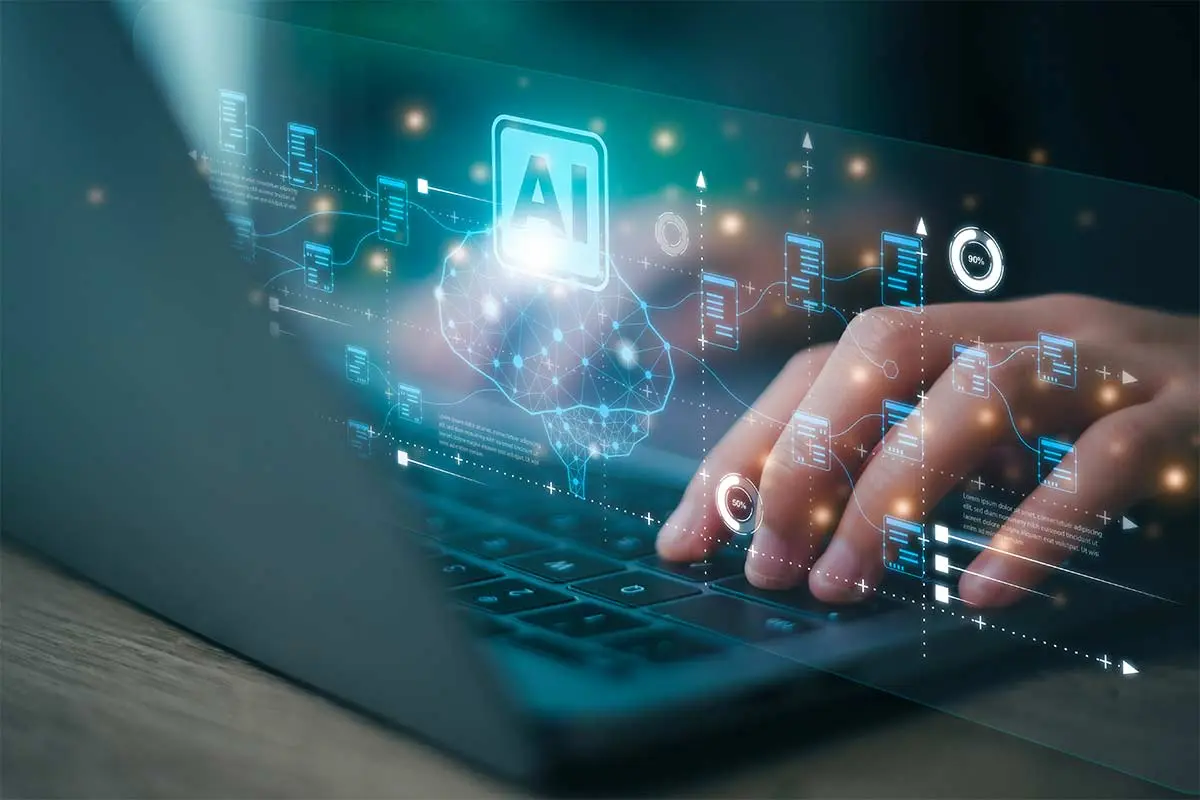
“The Department of Defense began funding AI research in the sixties. Today, AI enhances communication and accelerates analysis and content production. It can impact all phases of a tradeshow: from improving security and event planning, to logistics and production. From speeding registration and attracting crowds, to influencing networking and designing exhibits. AI is quick, but not always accurate. AI will eliminate some jobs and create others. It can provide more insight, but at a cost of bias, occasional mistakes, and less privacy.”
What I didn’t specifically say at the time was AI is a killer at research and data analysis. And what I left unsaid, but I think most people intuitively understand: AI will impact our future, in both expected and unexpected ways. So, that was what I said then. Here is what AI had to say when I asked ChatGPT earlier this year:
“AI is revolutionizing tradeshows by personalizing attendee experiences, streamlining planning (content, logistics, outreach), boosting engagement with chatbots and matchmaking, and providing data-driven insights for better ROI, from generating booth concepts to automating lead follow-ups, making events smarter, more efficient, and more impactful for exhibitors and attendees alike.”
AI at Shows
Moving beyond hype, AI is now more visible at many shows and conferences. The list below is not a random sampling, but it is also not an all-inclusive one.
NHCAA, Nov 18-21, Nashville. The National Health Care Anti-fraud Association is an annual training conference using AI to detect and prevent fraud.
Neural PS, December 2-7, San Diego. This academic conference focused on computational neuroscience and machine learning. Interestingly, a recent study by GPTZero determined that over 100 accepted papers at the show had “AI hallucinated citations”—meaning the actual studies cited did not exist, or the citations included meaningful and inaccurate changes. Funny.
Global AI, December 8-9, Abu Dhabi. This international conference discussed the commercial adoption of AI across a wide spectrum of industries.
The AI Summit New York, December 9-10, Javits Center. A conference with real-world applications “where commercial AI comes to life.”
CES January 6-9, 2026. Las Vegas. From keynotes to seminars, to displays and presentations in exhibits, AI was everywhere. Robots were seen dancing, fighting, talking, playing ping pong, dealing cards, serving customers, and much more. Caterpillar demoed AI embedded machines that improved safety (without direct human interaction).
NRF January 11- 13, 2026. Retail’s Big Show demonstrated how AI is transforming the retail industry with Agentic AI.
Other shows this year to monitor AI activity and demos include: HumanX April 6-9, San Francisco; Momentum AI New York April 27-28, 2026; AI & Big Data Expo May 18-19, San Jose; QCon AI Boston, June 1-2; Auto. AI June 29-July 1, San Francisco; Ai4 August 4-6, Las Vegas; World AI Summit, October 7-8 Amsterdam.
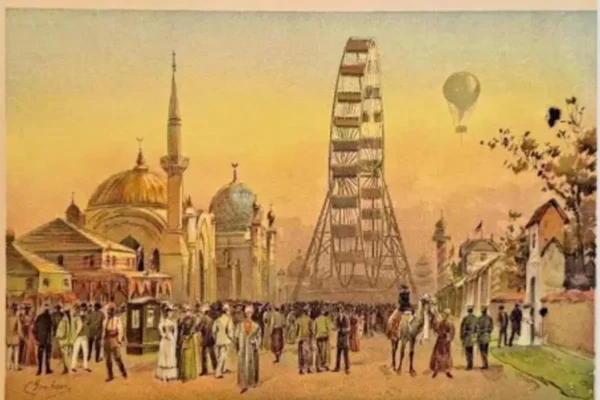
Historically, new technology has thrilled, shocked, entertained, amazed, disappointed, under-performed, and in some cases, even scared people. This has been true since the days of the invention of the first printing press, and the first steam engine—both of which were displayed at trade fairs and changed the future of the world.
Is AI ready for prime time?
Maybe not yet. Joanna Stern wrote in a Wall Street Journal article on December 18, 2025: “We Let AI Run Our Office Vending Machine. It Lost Hundreds of Dollars.”
AI is not self-conscious or self-aware; it needs human direction. AI mines data; humans create emotional connections. AI computes. Humans think.
Some experts believe AI will become self-aware in the next decade; others state it will never happen. I personally believe AI needs human supervision and direction. And I do not see that changing in the foreseeable future.
What are your thoughts?