



by Debbie Hall
From Science Fiction to Daily Life
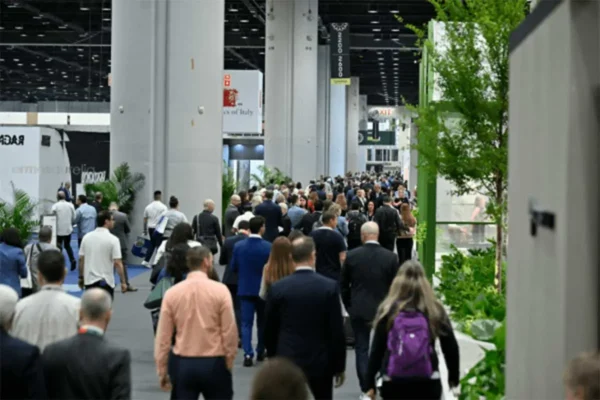
AI (Artificial Intelligence) is not just a future concept, rooted in science fiction, but the present showcased at CES 2026. Across show floors in a number of venues, packed with more than 4,100 exhibitors, AI moved decisively from theory into real-world application, demonstrating how deeply the technology is now woven into everyday life. The future has arrived, and AI powers it. All facets of life, including healthcare, transportation, sustainability, strategy, creativity, mental health, administrative tasks, advice, and even love, are now intertwined with AI. The show in 2026 underscored the use of technology to solve problems and free up time for more leisure.
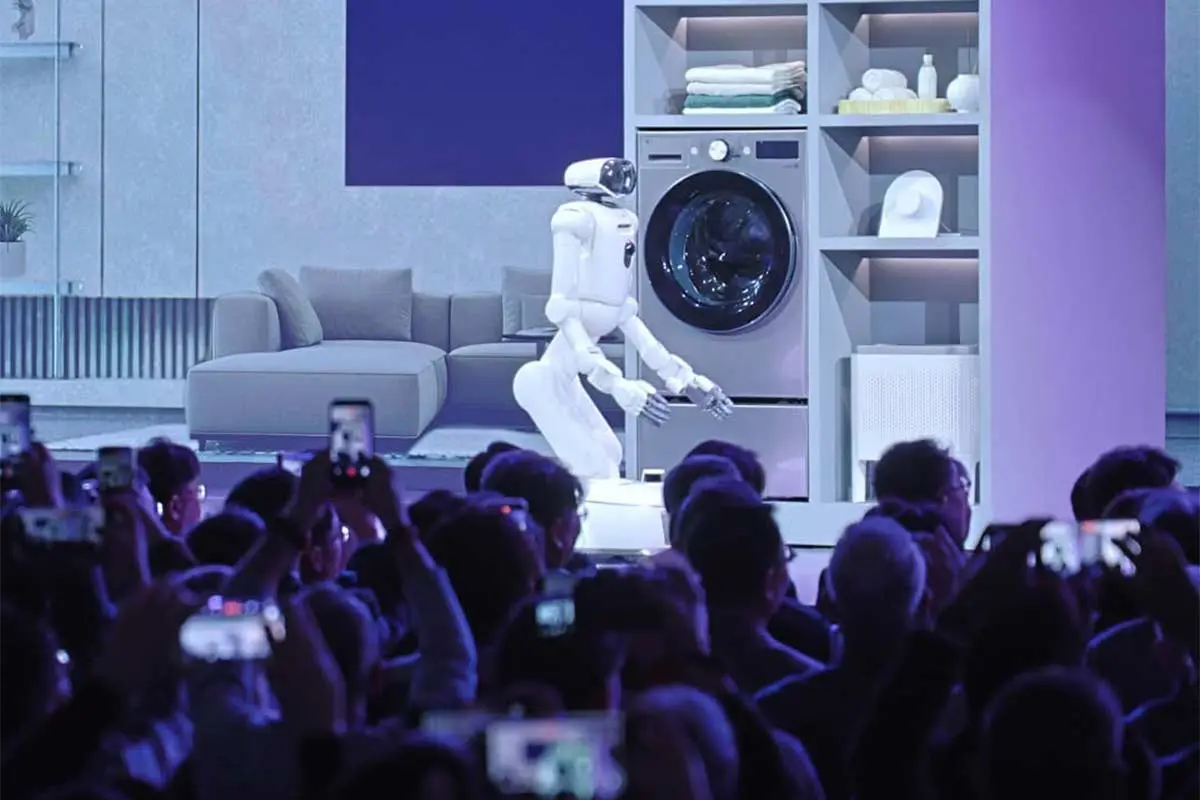
That fascination became tangible at CES 2026 with life-like robots interacting with attendees. Both excitement and reflection among showgoers prompted demonstrations and advances in AI systems.
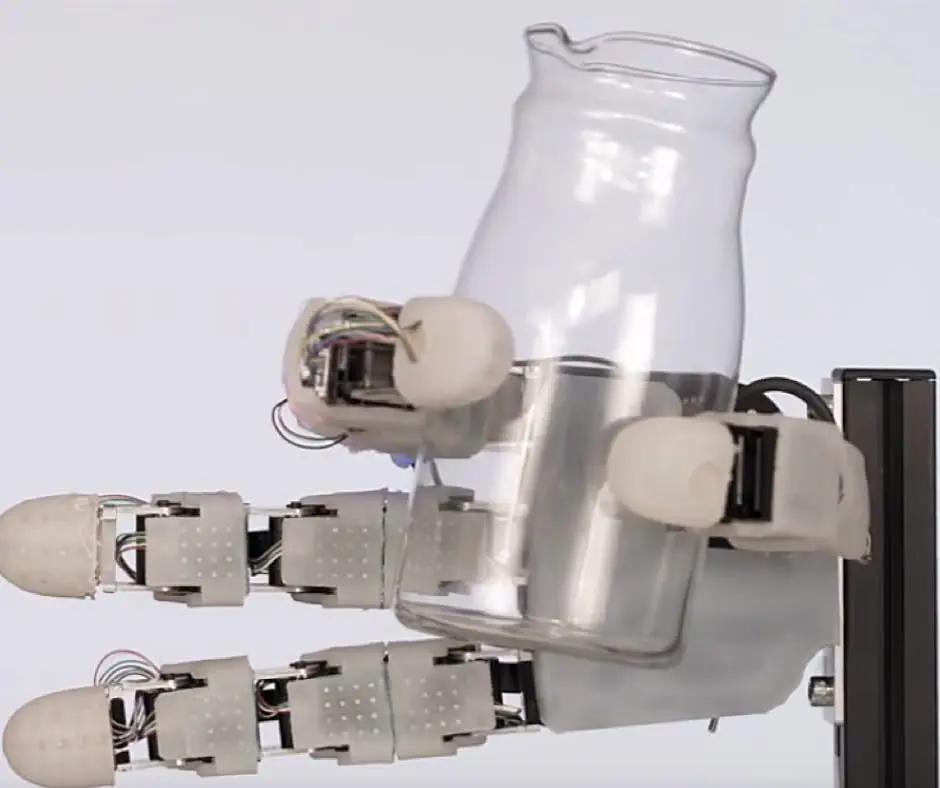
XELA Robotics is focused on solving the problem of making robot hands as nimble and dexterous as human hands by providing them with the sense of touch. Its proprietary uSkin high-density three-axis tactile sensors are compact and provide spatial density that enables robots to understand how tightly they are gripping an object and how it moves within their grasp. The XELA Robotics team boasts over 70 years of combined experience and is at the forefront of developing advanced tactile AI technologies.
Exhibitors showcased solutions designed to address some of the world’s most pressing challenges; fostering hope in AI’s ability to make a real difference.
OTO Fertility, a division of Toronto-based biometric health company OTO Coach unveiled a pioneering AI-powered fertility platform featuring a clinical-grade wearable, the Cira wristband. Founded by CEO Caleb Evans, the company is working to revolutionize reproductive care by using NASA-derived technology to track stress, recovery and physiological readiness to conceive in real-time.
“Until now, there’s been no accurate way to predict fertility outcomes based on what’s actually happening in the body in real time,” said Founder and CEO Caleb Evans. “Our solution gives patients a clear understanding of their body’s signals and peace of mind, and provides clinicians with a powerful new layer of insights to guide better outcomes. OTO doesn’t replace existing fertility protocols; it enhances them. And for the millions who have done everything right and still struggle to get pregnant, it can help unlock a path forward.”

AI and Hope, a mission-driven technology platform dedicated to creating meaningful impact in mental health issues, was launched at CES 2026 to inspire action. Founder and CEO Daniel Lo, along with his team of serial entrepreneurs, has developed the platform for a very personal reason.
“We envision a world where no one has to suffer in silence. Our mission is to make wellness community-driven and proactive, aiming to become the global foundation for non-clinical emotional support.” Lo began this journey after a close friend of his died by suicide, fueling his dedication to positive change.
AI’s integration into work environment demonstrates its potential to make daily routines more effortless.
ChargerGoGo launched its GoGoSpark AI platform, dubbed ‘AI with a Heart,’ demonstrating real-world AI use by providing entrepreneurs with real-time business insights and growth tools, making AI’s role more tangible for readers.
“This is not just about technology,” said June Zhu, founder and CEO, ChargerGoGo. “It’s about reshaping the relationship between humans and work. It’s about restoring dignity, creativity and possibility to everyday lives. The future belongs to those who engage with their AI—and our mission is to make sure everyone has that chance.” The company believes that “AI will not replace people, but people who understand AI will replace those who don’t.”
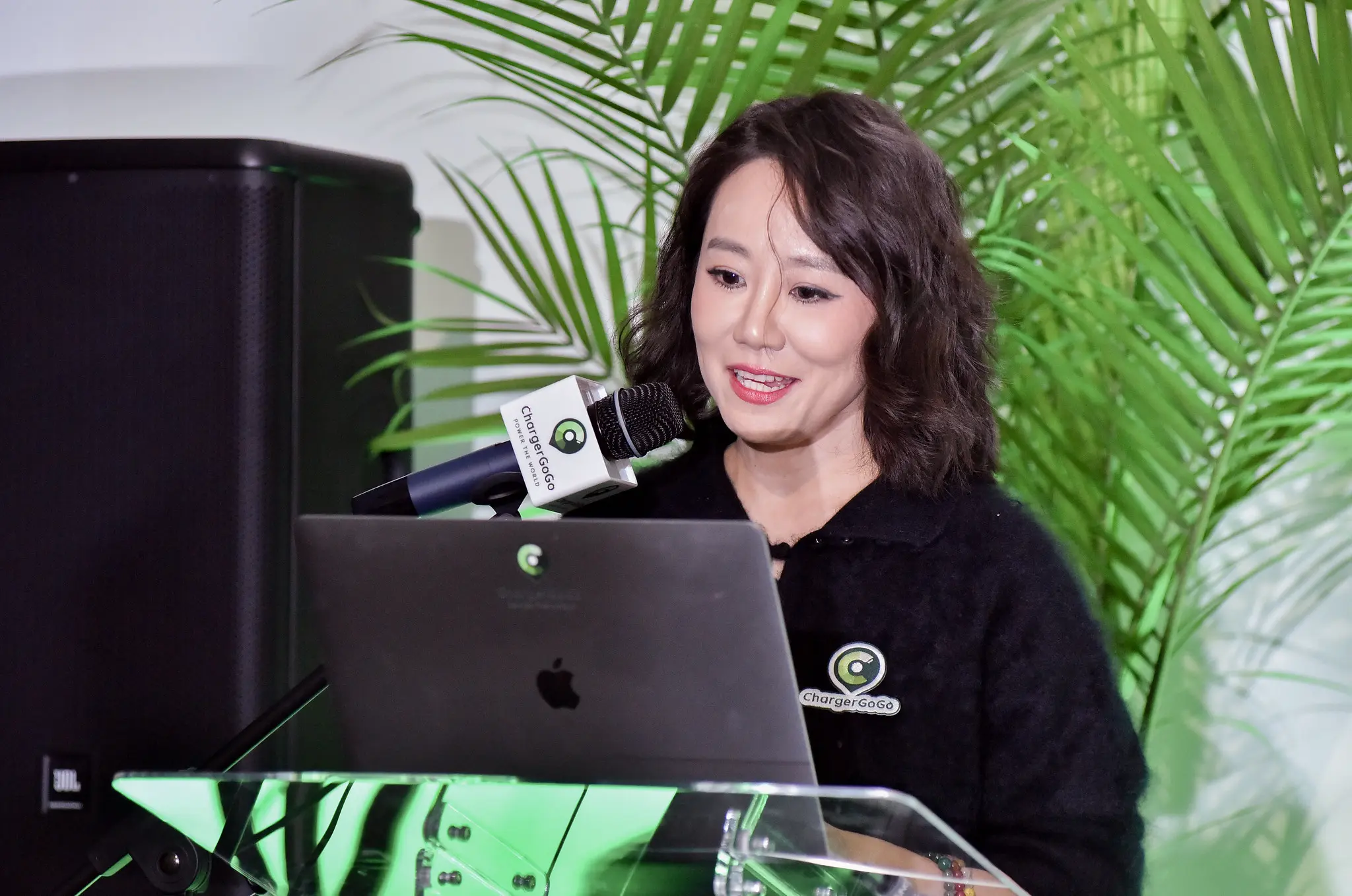
Photo courtesy of ChargerGoGo
AI’s cultural roots have always been explored in the creative landscape. In the 1800s, books explored AI concepts through automatons, artificial beings and machine consciousness. Fritz Lang’s silent film Metropolis (1927) is widely credited as the first cinematic exploration of AI’s impact on humanity. Television shows such as Small Wonder in the 1980s popularized the idea of robots (AI) living among humans. Societies, past and present, have long been captivated by its promise and peril, fostering a sense of wonder and curiosity that continues to inspire exploration and innovation.
Ultimately, CES 2026 marked a defining moment for AI. No longer confined to science fiction, AI has emerged as an integral part of daily life, shaping how people live, work and connect. For the global tech community gathered in Las Vegas, the message was unmistakable: AI is here, and its influence is only accelerating.
main image courtesy of CES