





by Debbie Hall
Behind every bustling tradeshow and dazzling expo is a complex operation built on precision and increasingly, on sustainability. Convention centers are not only reducing their environmental impact but also saving money by lowering energy consumption and investing in technology that pays for itself over time. LED lighting retrofits, automated HVAC systems, reusable booth structures and digital signage are just a few examples of upgrades that help venues cut costs.
Many centers are turning to smart water systems, composting programs, and advanced recycling operations to cut disposal fees and reduce their environmental footprint. Others are adopting just-in-time delivery models and digital coordination tools that minimize storage costs and streamline labor. Even sustainable sourcing, such as partnering with local vendors or using renewable materials, helps reduce transportation costs while supporting local communities.
“The Orange County Convention Center has invested in high-efficiency HVAC systems, LED lighting retrofits, and an extensive two megawatt (2MW) rooftop solar farm, all of which contribute to energy-saving measures,” explains Orange County Convention Center Executive Director Mark Tester. “We’ve also implemented water-saving fixtures and irrigation systems across the campus. These upgrades have significantly lowered our utility consumption while supporting our commitment to environmental stewardship. Our facilities team also conducts audits to identify further opportunities for conservation and cost savings.”
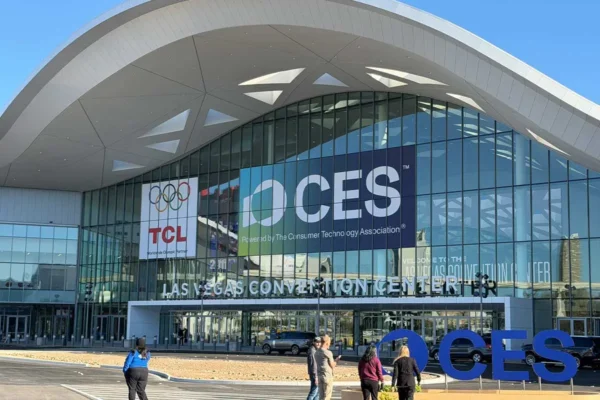
Many centers, including the Las Vegas Convention and Visitors Authority (LVCVA), have adopted a wide range of cost-saving measures, including:
- Dual-stream receptacles to capture mixed recyclables and divert items from regular trash bins.
- Single-stream compactors to reduce hauling costs and simplify waste handling.
- Auctioning used equipment that is no longer viable for operations to local vendors.
- More than 100 solar-powered hand-sanitizer dispensers are replacing standard battery-operated models.
- Water bottle filling stations to reduce plastic waste.
- Partnerships with organizations such as Butts to Watts to create energy from cigarette waste.
Another effective cost-saving measure is to pre-mark layouts before move-in and advance service installations. Many convention centers now provide rigging teams who can work above the floor—walking the beams with proper safety harnesses—eliminating the need for lifts on the show floor. This approach enhances both safety and efficiency while helping control labor costs and reduce overtime. Additionally, centers often collaborate closely with event organizers to provide early or late access and, when available, pre-rigging options to streamline setup further and minimize expenses.
Convention centers also reinvent space to create additional revenue, focusing on making them more efficient. For example, during the recent $100 million remodel of the Mandalay Bay Convention Center, extensive digital directional signage was introduced to reduce the need for printed signage, saving both money and materials.
“We continuously evaluate ways to operate more efficiently and reduce utility expenses through smart building systems, energy-efficient lighting, and water conservation practices across our properties,” says Stephanie Glanzer, CMP, chief sales officer and senior vice president for MGM Resorts International.
Manhatten’s Javits Center took a different approach to designing its North Building beyond expansion. Ronnie Burt, chief revenue officer at Javits Center says, “Our Pavilion & Terrace blends indoor and outdoor event space for galas, keynotes, happy hours, and seminars. This more intimate setting offers breathtaking waterfront and city skyline views, as well as front-row seats to our rooftop farm. The Overview is our next new kind of space, combining a flexible design with floor-to-ceiling windows that let in natural light. ”
The sales team plays a crucial role in leveraging available space to help maximize revenue and operations. According to Tester, their center repurposes auxiliary spaces, such as parking lots, to host unique events and generate additional revenue. These outdoor spaces have welcomed classic and electric car expos, dinosaur exhibits, and amusement park showcases. The sales team’s efforts to identify and promote these unique event opportunities are instrumental to the center’s revenue-generation strategy.
Another innovative cost-saving approach is the creation of the truck marshalling building. Javits Center offers a four-level facility that can house up to 200 semi-trucks, providing a centralized location for event load-ins and load-outs. This reduces the number of trips required, particularly for events with multiple exhibitors, thereby saving exhibitors money on tolls, fuel, and labor hours. By creating a centralized location where customers can leave their trucks, convention centers are reducing costs, easing traffic congestion, and cutting down on emissions—all while improving logistics.
As convention centers continue to reduce costs and uncover new revenue streams, the tradeshow and expo industry is positioned to thrive even in uncertain times. Sustainability is a strategy, not a luxury. The industry as a whole has come to realize that by adopting sustainable practices combined with innovation and efficiency. This collective effort is not only beneficial for individual centers but also for the industry’s overall sustainability and success.
Photo From Left to Right: Mark Tester, Ronnie Burt (Courtesy of Javits Center), Stephanie Glanzer (courtesy of MGM Resorts International)
This story originally appeared in the Q1 2026 issue of Exhibit City News, p. 32. For original layout, visit https://issuu.com/exhibitcitynews/docs/exhibit_city_news_-_jan_feb_mar_2026/32.