



By Kevin Chowaniec, Owner and President, SpeedPro Windy City
More events today stretch across multiple buildings and city blocks. It’s exciting growth, but it also adds a challenge: how to keep the brand experience consistent when every venue looks and feels different.
When the lighting, layout, and materials change from place to place, attendees can easily feel like they’re walking into separate events instead of one connected story. Getting that level of cohesion right is about more than plastering logos everywhere or matching colors.
To start, you have to have a solid foundational understanding of the spaces themselves.
Finding the Common Threads
The first steps my team and I take during a multi-venue project are to look for the common threads and identify the non-negotiables. For example, we identify the visual elements that have to stay consistent (logo usage, color accuracy, typography, and tone of imagery), and these elements become the foundation for the overall story.
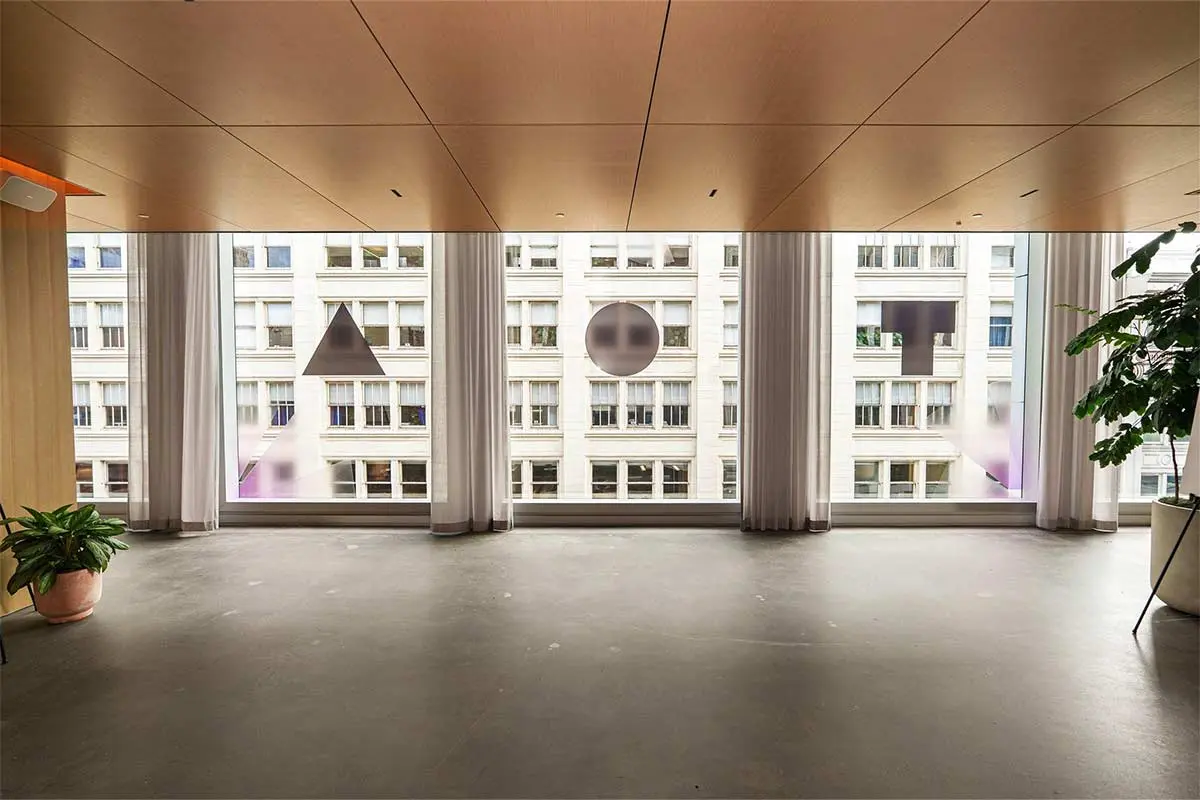
Across venues, there are also going to be differences ranging from subtle to defined. One might have exposed brick and low ceilings. Another might be a bright, modern hall with 30-foot windows. We’ll often visit early to see the space firsthand, gather samples, and test materials—it’s essential, because you can’t design cohesion without understanding the environment.
Each of these surfaces will react differently to light and texture, and that means materials and finishes will ultimately have differences.
Cohesion Doesn’t Mean Repetition
Cohesion doesn’t always mean exact repetition. You can tell the same story with different expressions.
Many exhibitors assume cohesion means making everything identical, but that can overwhelm attendees and flatten the story. We’ve found that subtlety often creates stronger cohesion, and logos can be viewed as anchors to the overarching story. It’s the environment around the logos that carries emotion and builds continuity. What are the textures, the color transitions, and the ambient graphics surrounding it?
For example, we once worked on a citywide conference spread across three very different venues: an industrial loft, a downtown bar, and a grand ballroom. Each space had a unique purpose and tone. Rather than replicate the same visuals in every venue, we created subtle shifts in material and finish to match the atmosphere of each.
The loft used matte, industrial textures; the bar featured bold accent colors and gloss finishes to match the energy; and the ballroom introduced a more elevated, formal palette. The throughline was consistent color and typography, but each venue told its chapter of the same story.
That approach gave attendees the sense of moving through a living brand journey rather than disconnected, or even identical, experiences. However, even the best plans can fall apart if teams aren’t communicating.
Communication Makes or Breaks It
At large events, you might have venue staff, AV crews, sponsors, and multiple vendors all working in the same window of time. Unfortunately, Murphy’s Law applies to every event due to the sheer size and scale of operations.
A recent example comes from when our team arrived at a venue for installation, only to find a row of screens from the AV team sitting right where our banners were supposed to go. This isn’t an uncommon scene to find during these multi-venue events, and we were ultimately able to clear the area and keep ourselves on schedule once we got into contact with the correct person on-site.
I like to borrow the RACI framework from my corporate background to keep my team on track: knowing who’s Responsible, Accountable, Consulted, and Informed at every stage of production.
The Future of Multi-Venue Events
My team and I are also finding that exhibitors are latching onto two new themes: technology and sustainability. Digital mapping and LED displays can connect spaces and tell a unified story, but they work best when they enhance the physical environment, rather than compete.
At the same time, brands don’t want one-off builds anymore. They want reusable systems so they can adapt from one venue to the next. Brands are even embracing hybrid storytelling by using QR codes or AR triggers to extend physical pieces into interactive digital layers.
At the end of the day, however, attendees subconsciously measure brand professionalism by consistency, and that’s what makes our work interesting. Every event, every venue, and every surface presents a new puzzle and a new opportunity.

Kevin Chowaniec has over a decade of experience in operations and management, with a background in project management, people leadership, and data-driven decision making. He is the owner of SpeedPro Windy City, a B2B large-format graphics studio serving Chicago-area businesses as part of SpeedPro’s 130-location franchise network across the United States.