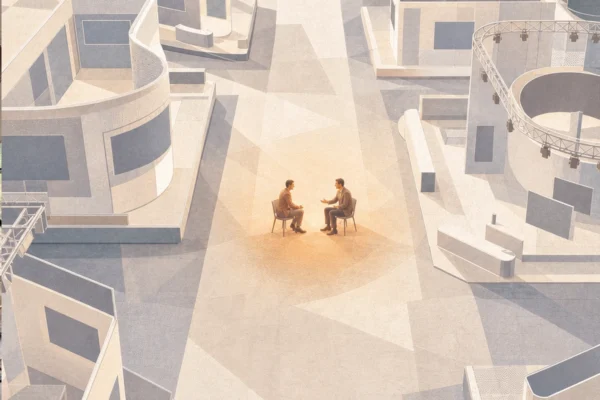




The convention center has long been recognized as the heart of venues for expos, meetings and corporate events. Its business strategy has been successful for many years: huge halls for exhibitions, conference rooms, hotels nearby and infrastructure that allows for thousands of people to network, engage and create business.
However, the industry is changing. Today, the most exciting experiences occur in places different from traditional ones. Museums and exhibitions are one option, from the Instagrammable Museum of Ice Cream (16 locations), to Real Bodies exhibition showcasing over 20 real, perfectly preserved human specimens.
Haley Felchak, founder of Mood & Co Designs, said, “What we’re seeing with cruises, retreats, outdoor venues and even yurts are really just a reflection of how people want to experience events today. It’s less about just showing up and more about feeling something while you’re there. Traditional venues are efficient, but they don’t always create that emotional connection. When you bring people into a different environment, especially something immersive or unexpected, they’re more present, more open and more connected to each other and the content.”
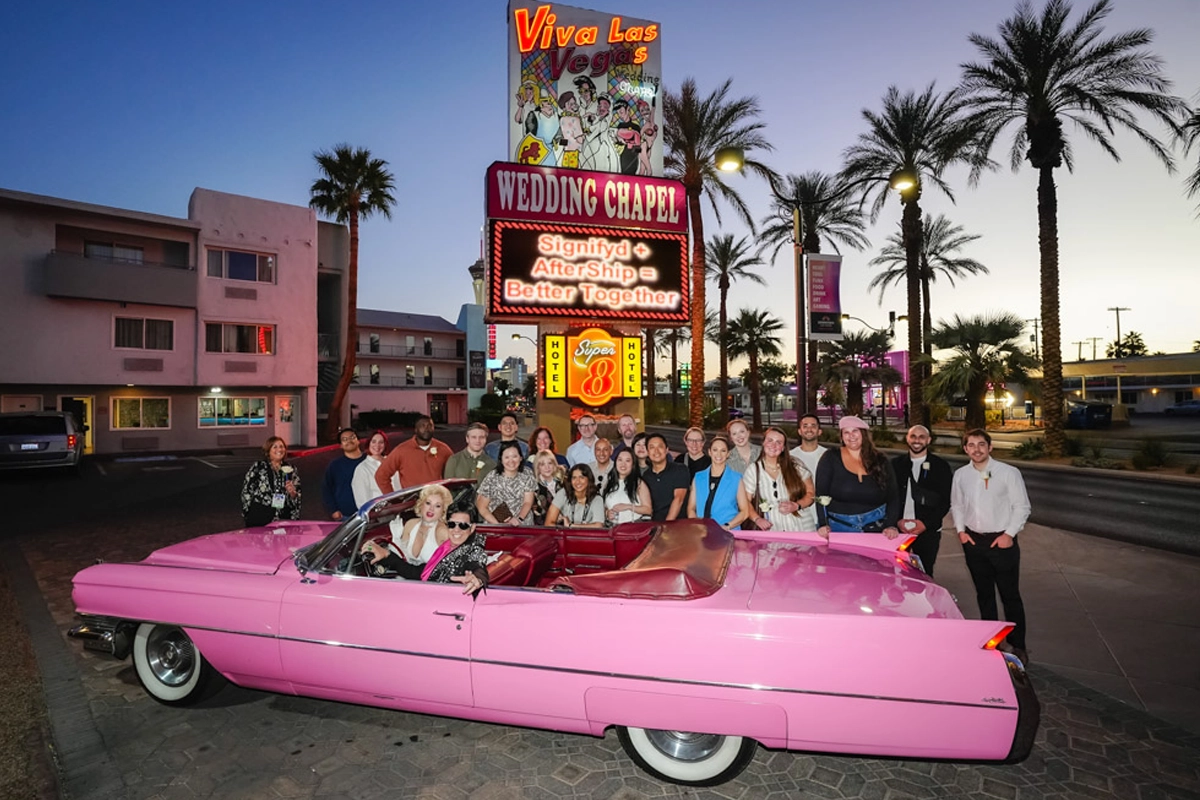
At the Viva Las Vegas Wedding Chapel, two separate corporate entities, Signfyd and AfterShip, held a “wedding ceremony” to celebrate the merger. The wedding chapel hosts co-corporate weddings and joint employee union ceremonies. Also in Las Vegas, The Cabinet of Curiosities offers a
Mixology Masterclass with an expert mixologist teaching how to craft two exquisite cocktails (or mocktails) for team building and to introduce new experiences.
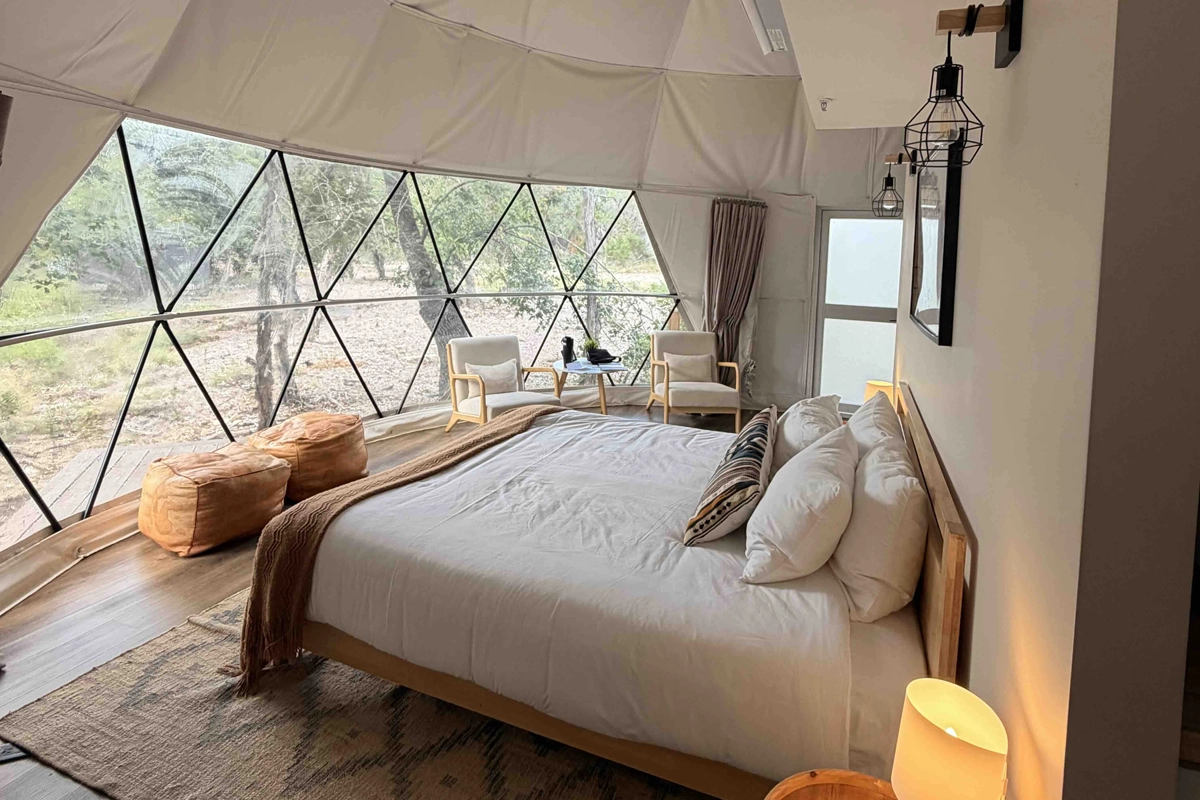
“People remember an event that surprises them,” said Shannon Bream, Event Operations Manager at GoGather. “We recently planned and hosted an internal retreat for our company inside a yurt in Austin, Texas. We have a team that’s spread across the country and we decided on Texas. Each of us had our own unique yurt, almost like a private suite and it was such a cool experience because it was basically glamping, but with the added corporate touch.”
The use of such unusual venues is not a fad but a trend.
“B2B audiences are growing increasingly tired of predictable spaces,” stated Vice President of Production of Agency EA Colin Faul. “Hosting events in unexpected locations breaks the autopilot mentality. It forces engagement and builds authentic, unforgettable connections.”
Why Choose Out-of-the-Ordinary Locations?
There are many reasons why a specialist in event organization is reconsidering the location of their event. The experience itself has turned into a commodity. Attendees expect much more than simply attending seminars and visiting exhibitions. It is vital for them to find themselves in places that would not only create unforgettable memories but also facilitate effective network communication between people. For example, a seminar on leadership held on a beach at dawn or an event held outside in the evening would generate more emotional experience than another cocktail party in a ballroom. With the number of sources of information available online, the battle for people’s attention is fiercer than ever.
Wellness and work-life fusion have become more essential than ever. Companies have begun to introduce outdoor activities, meditation sessions, hikes and wellness programs into their meetings. Nature enables one to emphasize these ideas and offers an opportunity to leave one’s everyday life and communicate with co-workers.
Destination appeal influences attendance. Event planners recognize that location can significantly impact registration. An executive summit on a cruise through Alaska or a leadership retreat at a luxury ranch may generate more excitement than another conference in a familiar convention city.
“Tradeshow organizers need to embrace the use of non-traditional venues as it may aid in increasing interest and attendance,” said Apryl Roberts, Producer at Apryl Roberts Productions. “In order to continue to thrive, tradeshows will need to not only provide innovative products and services but also present it in innovative ways in settings that may push boundaries for the company and guests alike.”
However, large-scale manufacturing expos, healthcare conventions and technology exhibitions still require expansive exhibit halls that can accommodate heavy equipment and thousands of exhibitors. The infrastructure of convention centers remains unmatched for these events.
The Planning Becomes More Complex
Opting for an unconventional place does not remove logistical problems; it intensifies them. Standard convention centers offer standardized services: cargo docks, communication, internet facilities, security, catering and an experienced event crew.
The planning is what people underestimate,” explained Founder and Executive Producer at Argus HD Tim Kay. “Outside, none of that built-in infrastructure exists. We’ve calculated sun angles for an outdoor theater shoot, chased wind off the mics and trucked in our own power when the site had nothing. Demos push it further. We’ve shot live Skydio drone flights, and there’s no way to show what an autonomous drone does under a hotel chandelier. For tradeshows, the lesson leaks onto the floor. Once people feel a space that was actually designed, the standard booth starts to look flat.”
Nontraditional premises often require the organizers to build most of that infrastructure. Transportation turns into an important factor. Attendees, presenters and equipment have to be placed dozens of miles off the beaten track. Loading docks might be unavailable. Internet connection will have to be temporary. Power needs, weather, permits and emergency services should be taken into consideration.
“Most of the time, by the time we get involved, the client has already chosen the venue,” said Craig Bugajski, president and CEO of Artistic Entertainment Services (AES). “Our job isn’t to question where it’s going. Our job is figuring out how to make that space deliver the experience they want. The first thing we do is listen. We start with the client’s objectives, then design and build around those goals. I’ve learned that the venue itself doesn’t make an event memorable. It’s how you use the space. It’s the guest journey, the details, the flow and how every element works together to tell a story. You can take the exact same activation and put it in five different locations and each one will feel completely different because execution is what creates the experience.”
“A ballroom is the safest room in the events business—power everywhere, internet that works, temperature that never moves. Leave it and you’re not renting a venue, you’re building one. We’ve filmed Google I/O outdoors and produced in a space a Shakespeare company used, and both plans started with sun angle and weather, not a gear list. The creative decision takes a week. The infrastructure behind it takes six,” added Kay.
These events often require closer collaboration between organizers, exhibit builders, logistics providers, destination management companies and local vendors than traditional shows demand.
“The failures in a nontraditional venue are almost never gear failures. They’re planning failures—a missed signal path, a power draw nobody calculated, a remote feed everyone assumed. In a convention center, the house catches those for you. On a rooftop, there is no house. You are the house,” said Kay.
What Does This Mean for Tradeshows?
Traditional tradeshows aren’t disappearing. However, the definition of a tradeshow is expanding.
Many organizers are developing hybrid event portfolios that combine traditional exhibitions with destination-based leadership retreats, hosted buyer events, executive summits, outdoor product demonstrations and experiential networking programs. Rather than replacing the exhibit floor, these formats complement it.
For exhibitors, success may increasingly depend on flexibility. Booths designed to function across multiple environments, digital content that extends beyond physical displays and experiential activations that engage attendees in diverse settings will become competitive advantages.
“The standard ‘booth-and-badge’ model probably isn’t going away any time soon, but the ones that will win the day will be those that think like festival curators, injecting a sense of exploration into the expo floor. The future belongs to brands brave enough to leave the mainland and design experiences that truly feel like a journey,” added Faul.
The future of events isn’t about abandoning convention centers. It’s about expanding the industry’s imagination.
“Predictable isn’t a dirty word. Some clients want that certainty, and that’s the right call for them. But for the ones chasing a wow factor, predictability is the problem. If you’re asking people to get on a plane, you’d better give them something they can’t get on a screen,” said Kay. “However, most of these events still have to reach the people who didn’t travel. A yurt is charming until you need broadcast audio and a reliable uplink out of it. Venues are getting stranger and audiences are going hybrid at the same time, and those two trends fight each other.”
As attendee expectations continue to evolve, organizers who embrace creativity while mastering the logistical complexities of unconventional venues will be well positioned to deliver experiences that leave lasting impressions long after the closing session.
This story originally appeared in the Q4 2025 issue of Exhibit City News, p. 42. For original layout, see Print Version
Related stories
SUPERZOO 2026 Spotlights Pet Wellness, Tech, and New Products