



by Sven Bossu, the Chief Executive Officer (CEO) of the Association of International Convention Centres (AIPC)
The potential use of AI in convention centers touches on many areas: from predictive maintenance to enhanced protection against cyber-attacks. Marina Bay Sands Singapore is using robots for back-of-house deliveries, and the Kuala Lumpur Convention Center uses a digital twin to enhance operations and customer excellence. But the most important advantage of AI will be that the efficiency gains will allows us to focus on what matters most: the human experience.
AI has been high on the agenda of every industry event I attended this year, and the message varied from extremely positive (with a focus on efficiency gains or enhanced customer experience) to outright negative (this is the beginning of the end type of message). Now, the business event industry has historically not been the fasted mover when it comes to innovation. But the digitalization pushed by the COVID-19 period and fast-growing application of AI in a wide range of domains has—finally—released the genie out of the bottle.
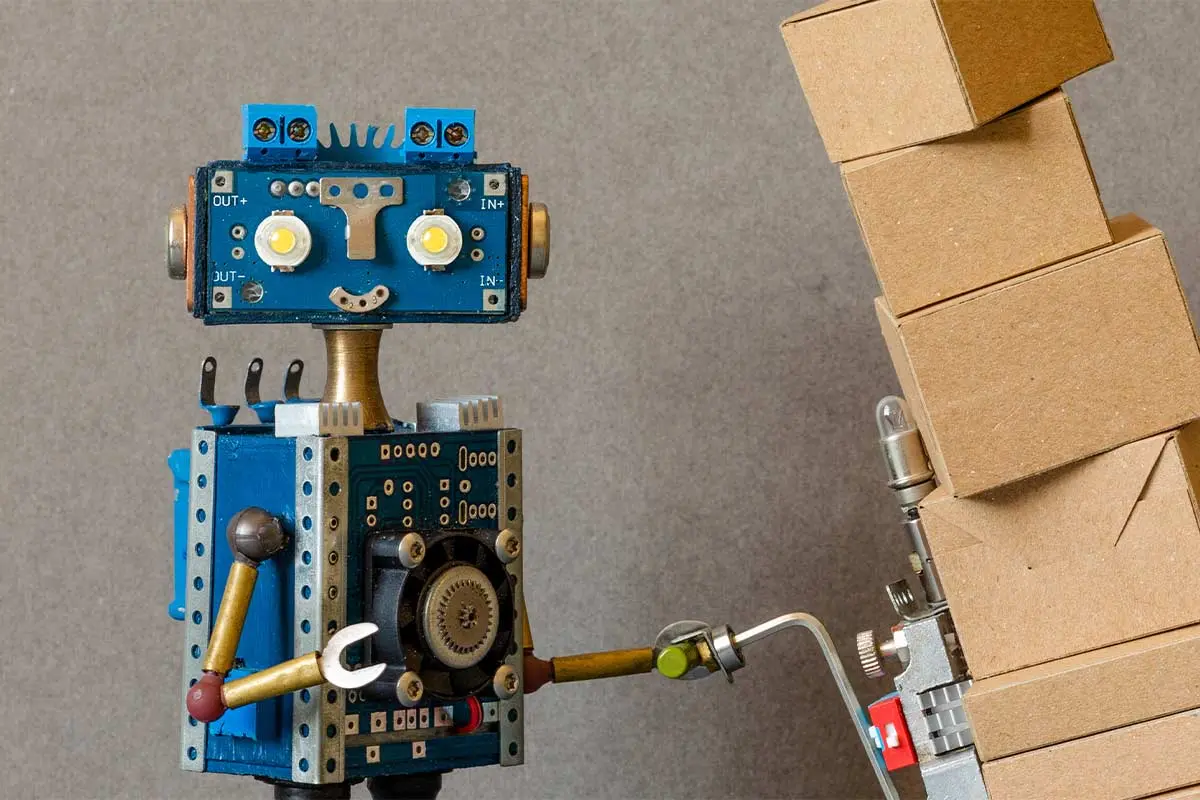
Personally, I am a big believer of the value AI can bring to the AIPC community. Take the case of the robots at Marina Bay Sands in Singapore (MBS). MBS was facing a massive challenge when it came to back-of-house deliveries. The number of deliveries continued to rise, putting a strain on their staff. They took the decision to invest in a fleet of 12 robots who each carry 400 kg and carry the chairs, tables, etc. autonomously to the room where they are needed. The strain on staff was reduced by 35 percent. Having seen the robots move around personally, I found it quite impressive how fast they learnt to do their job.
The same goes for the customer-facing. Salespeople in a B2B environment typically spend 30 percent to 39 percent of their time on selling activities. This includes prospecting, generating sales orders, and building relationships with customers. The remaining time is often consumed by tasks such as administrative work, data entry, and meetings. Here again, AI can take away a (big) part of that burden, allowing the sales force to focus on what they are good at: selling, an art which I believe will be very difficult to replace by AI.
Which brings me to a very important point. The efficiency gains that AI brings us will free up time, an effect that can be used in two ways: cost cutting or enhancing the customer experience. The cost cutting is straightforward. If you have a sales staff of five and AI allows an efficiency gain of 20 percent, you let go of one salesperson, reducing the fixed staff cost. The other option is to keep the full team on board but make them focus on better understanding their customer needs, by spending more time with the customer, creating a higher level of engagement and partnership, resulting into higher human connectivity and loyalty. Potentially, this could even lead to higher revenues by up- or cross-selling, given the better joint understanding of objectives.
Sometimes, it’s not even about higher revenues but spending the money more wisely. Imagine a very high-level event, used to serving a 3-course seated lunch for 2,500 persons during four days, wines included. While this is a great customer experience, the level of waste that goes with it is considerable and not at all in line with the sustainability objectives of the organizer. So, the hosting convention center came up with a completely different concept: high standard street food. The delegates would line up a food-trucks, each offering their own specialty and by using crowd management AI, queues would be limited to two persons maximum. The quality of food would still be there, but there would be more diversity, it would allow for natural networking (best way to meet somebody: stand in a queue) and the food waste would be drastically reduced. The organiser accepted.
This is the type of partnership AI can not achieve. This requires people talking to each other, being able to express their needs and concerns and, in this case, willing to take the jump into the unknown together.
AI, in my view, is an enabler. It will allow convention centers to focus on what it their core business: bring communities together and make them grow. There is a reason why convention centers are “purpose built” and this is exactly it. As my good friend and convention center manager Marc Rodriguez tends to say, “my convention center is a five-star hotel without rooms.” Having been there for many times and for all types of events—I can only agree with him.