



The Finalists of the Student Design EySys Award
Students from Bemidji State University’s Exhibit & Experience Design undergraduate program and the Fashion Institute of Technology’s Exhibition & Experience Design master’s program were eligible for free entry into this year’s Best Student Design category. Each of our seven finalists received a $250 travel stipend to attend the awards ceremony, and our Gold, Silver, and Bronze winners received additional cash prizes of $1,000, $750, and $500, courtesy of The Experiential Design Authority. Collectively, they represent the future of experiential design, and the future looks bright.
GOLD
Student: Maya Peters
School: Fashion Institute of Technology
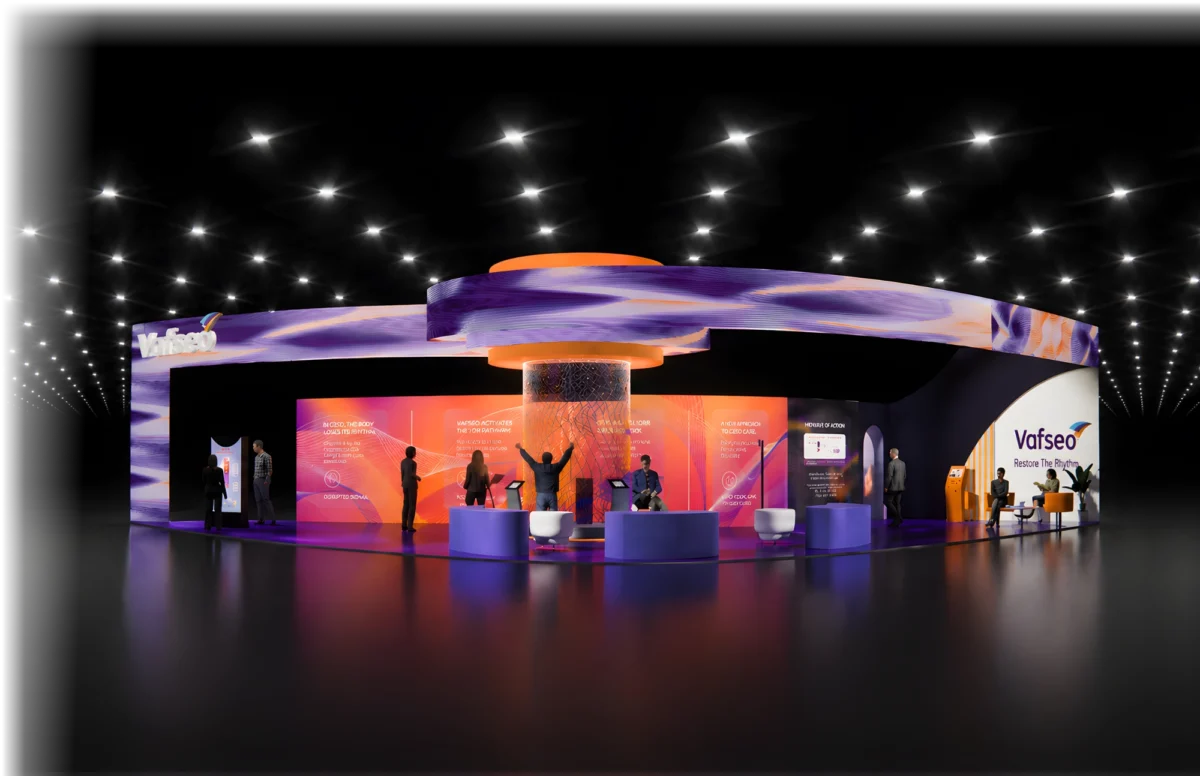
“Restore the Rhythm” served as both a clinical description of Vafseo’s function and the conceptual engine behind Maya Peters’ 50-by-50-foot design. Sweeping curved structures and continuous LED ribbons created a visual language of flow, guiding circulation and reinforcing a narrative of disruption resolving into balance. The Build-a-Blood-Cell touchscreen let visitors assemble oxygen-sensing components and activate the HIF pathway, while the Central Flow Activity tasked them with restoring disrupted lines in a human silhouette. A game table challenged participants to trace oxygen-sensing failures across the body, and a magnetic maze in a separate sponsorship space extended the concept into a tactile prelude.
Judges called the concept “extremely well thought out,” praising its impactful design and activations that restored order to the system in a way that was both scientifically coherent and immediately understandable. One judge noted the design proves tomorrow’s experiential designers are already reimagining what’s possible in system-based exhibits.
“Restore the Rhythm” by Maya Peters

SILVER
Student: Grace Warnick
School: Fashion Institute of Technology
The brief called for a 50-by-50-foot exhibit launching Vafseo, a once-daily oral therapy for CKD-related anemia, to nephrologists, researchers, and trainees at ASN Kidney Week. Grace Warnick delivered a “Training Gym” that took Akebia’s campaign message, “Activate their Natural Potential,” and made it spatially physical. Running, cycling, and boxing anchored a space divided into the Gym, Track, Stands, and Locker Room. The fitness metaphor made complex pharmacology intuitive for a wellness-minded audience. Judges praised the “unusual hanging structure” and “running lines on the floor” for naturally guiding attendees, calling the design “cohesive, engaging, and memorable.”
BRONZE
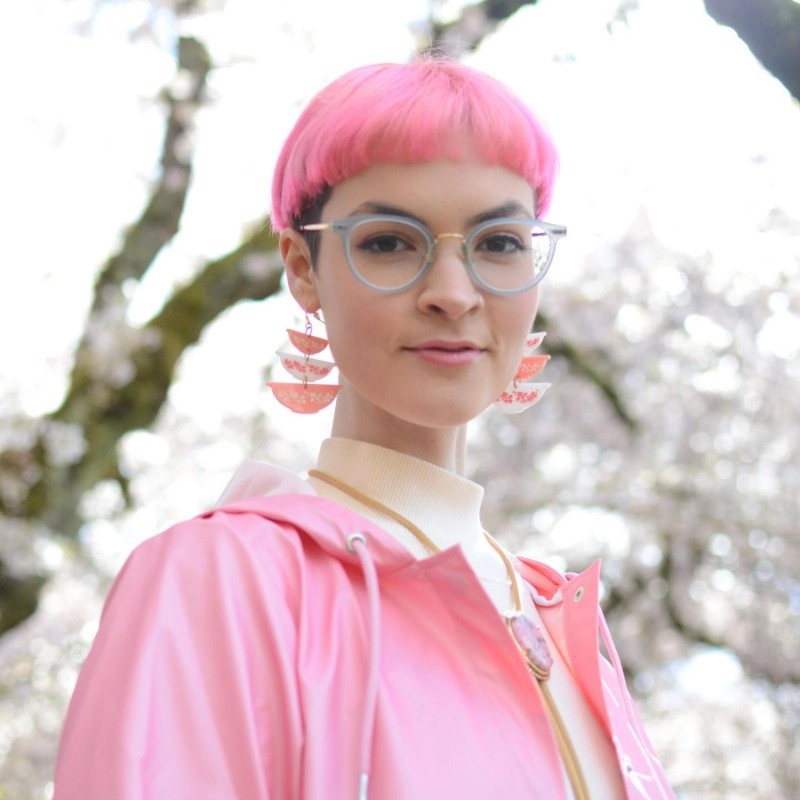
Student: Alexi Duda
School: Bemidji State University
Alexi Duda’s design for Claude AI used warm orange, natural wood, cream tones, and living plants to counter the cold-tech cliché common at CES. Soundproof pods beneath an elevated meeting room offered one-on-one conversation with Claude, while a capabilities wall, a Cowork Sphere LED wall, and a Personalization Ribbon Activity generated AI-matched insights and lead data. Judges called the space “attractive and truly buildable” and praised the plant giveaway addressing AI’s environmental optics.
FINALIST
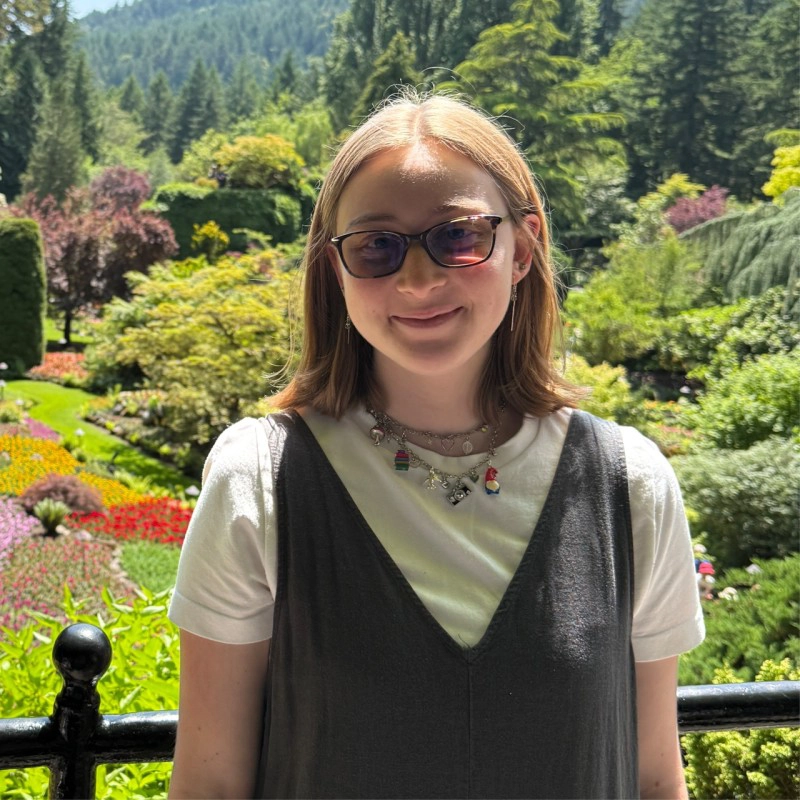
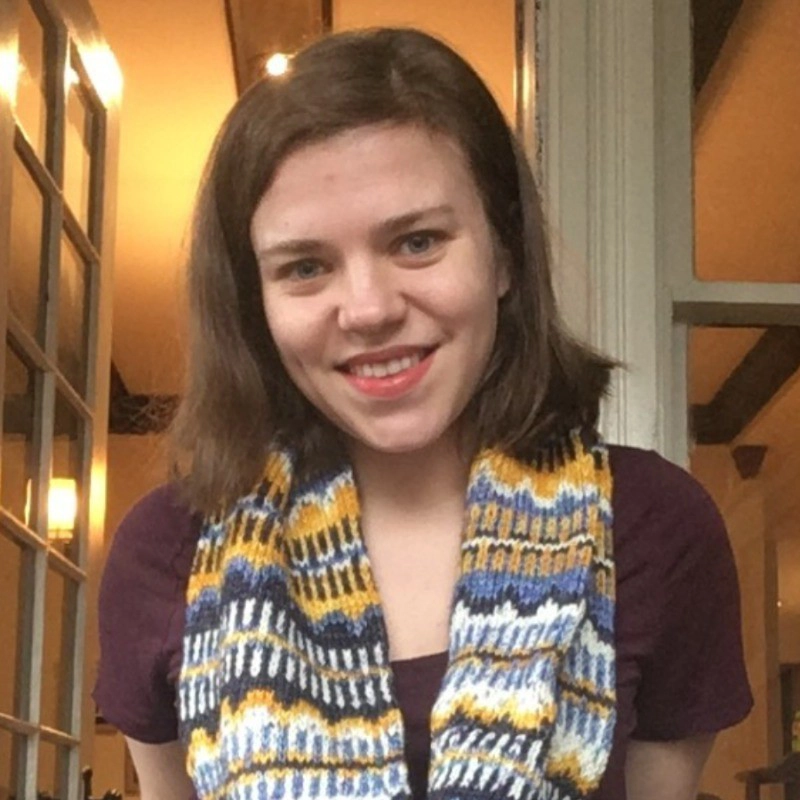
Student: Jessica Doan
School: Fashion Institute of Technology
For Akebia’s Vafseo launch, Jessica Doan built a booth structured around a Tesla Coil, converting low power into high voltage as a metaphor for the drug’s mechanism. A 360° projection theater accessible only from within the coil guided visitors through a patient’s journey, closing as visitors chose what “fuels” these patients, triggering a color change across the coil.
FINALIST
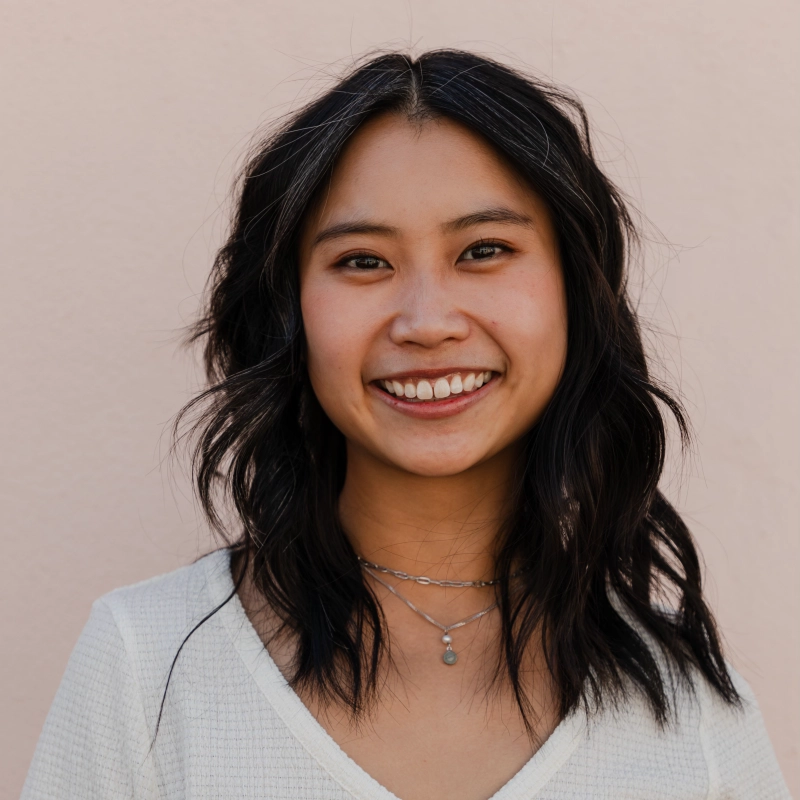
Student: Lydia Lee
School: Fashion Institute of Technology
Lydia Lee’s design for Akebia reimagined Vafseo’s launch as a “Vafseo Hike,” inspired by the drug’s mechanism and the Colorado show location. A central illuminated tree and curved mountain wall anchored a path with three discovery points, where visitors clear roadblocks, protect a river, and balance a scale to learn how Vafseo works, lighting another branch of the tree with each completed interaction.
FINALIST
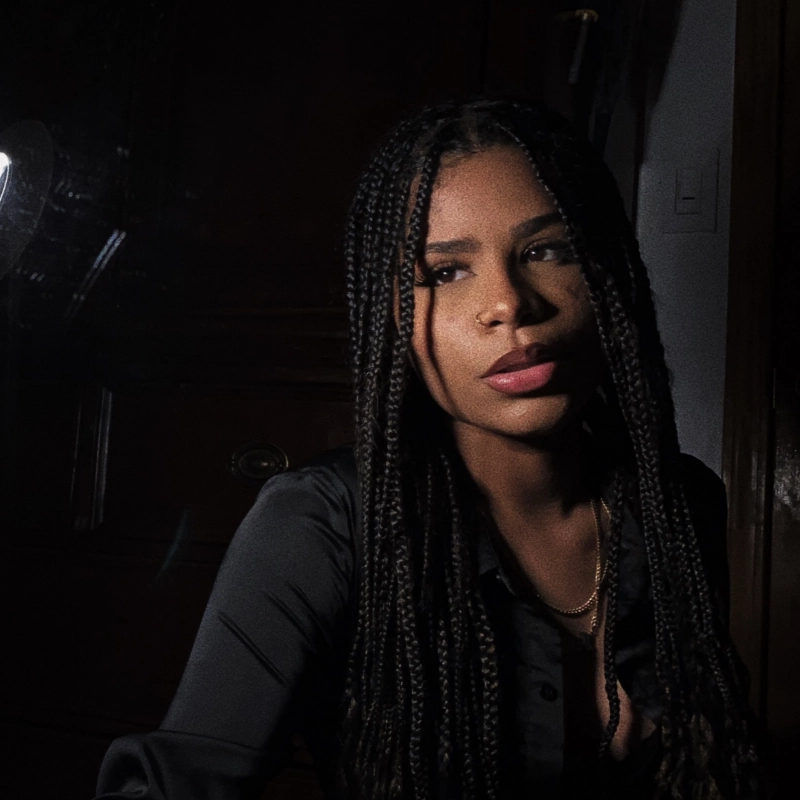
Student: Jenny Estevez
School: Fashion Institute of Technology
Jenny Estevez designed an immersive journey for Akebia titled “Making the Invisible Visible,” guiding visitors through disrupted red blood cell production, its biological source, and activating Vafseo’s solution via touchscreen, triggering a lighting transformation. A companion “Restoration Room” activation offered a 10-minute reset experience using a circular LED display cycling through imbalance, in-between, and restoration.
FINALIST
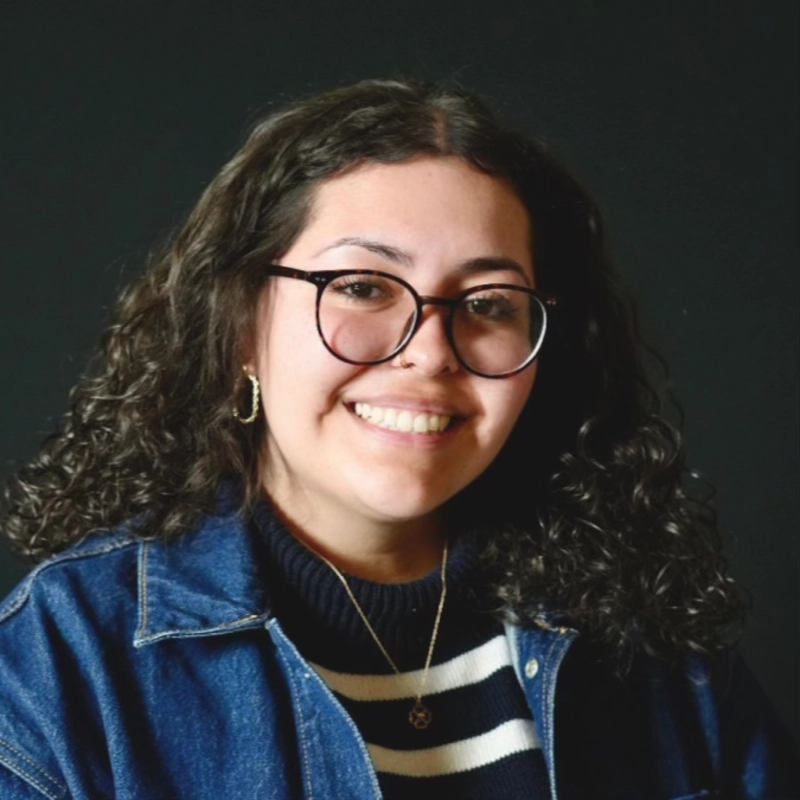
Student: Ariana Castillo
School: Bemidji State University
For a Pop-up Shop & Visual Merchandising course, Ariana Castillo designed a 20-by-30-foot Apple exhibit for NRF Big Show focused on the AirPods Max. LED-tiled walls created an immersive soundscape room demonstrating noise cancellation, while soundwave-inspired curved architecture directed attention toward touchpoints, including an interactive table for trying on headphones and exploring GarageBand.
This story originally appeared in the Q4 2025 issue of Exhibit City News, p. 48. For original layout, see Print Version
Related stories
Tradeshow Industry Outlook: ExSys Panel Examines AI and Costs