



by Brian Baker, Vice President, Highmark Tech Systems USA
For most of the history of outdoor events, choosing a temporary structure wasn’t much of a choice at all. If an event needed covered space for hospitality, exhibits, brand activations or guest amenities, the practical answer was almost always a tent.
That reality has long presented a challenge for event designers, producers and brand-side planners. They could create sophisticated environments inside convention centers and permanent venues, but moving outdoors often meant accepting the aesthetic and functional limitations of a tent.
Certainly, tents can be transformed. Flooring, hard walls, lighting, graphics, décor and elaborate interior finishes can disguise much of the underlying structure. But doing so requires time and budget simply to make the space feel less like what it fundamentally is—a temporary shelter. For brands, that can create a disconnect between the experience they want to deliver and the environment in which they are delivering it.
When Temporary Doesn’t Have to Look Temporary
The alternative has traditionally been some form of custom or permanent construction—an option that is impractical for most events and can require a substantial capital investment. That left a significant gap: event professionals needed the quality, appearance and performance of architecture, but with the temporary nature and economics of a rental.
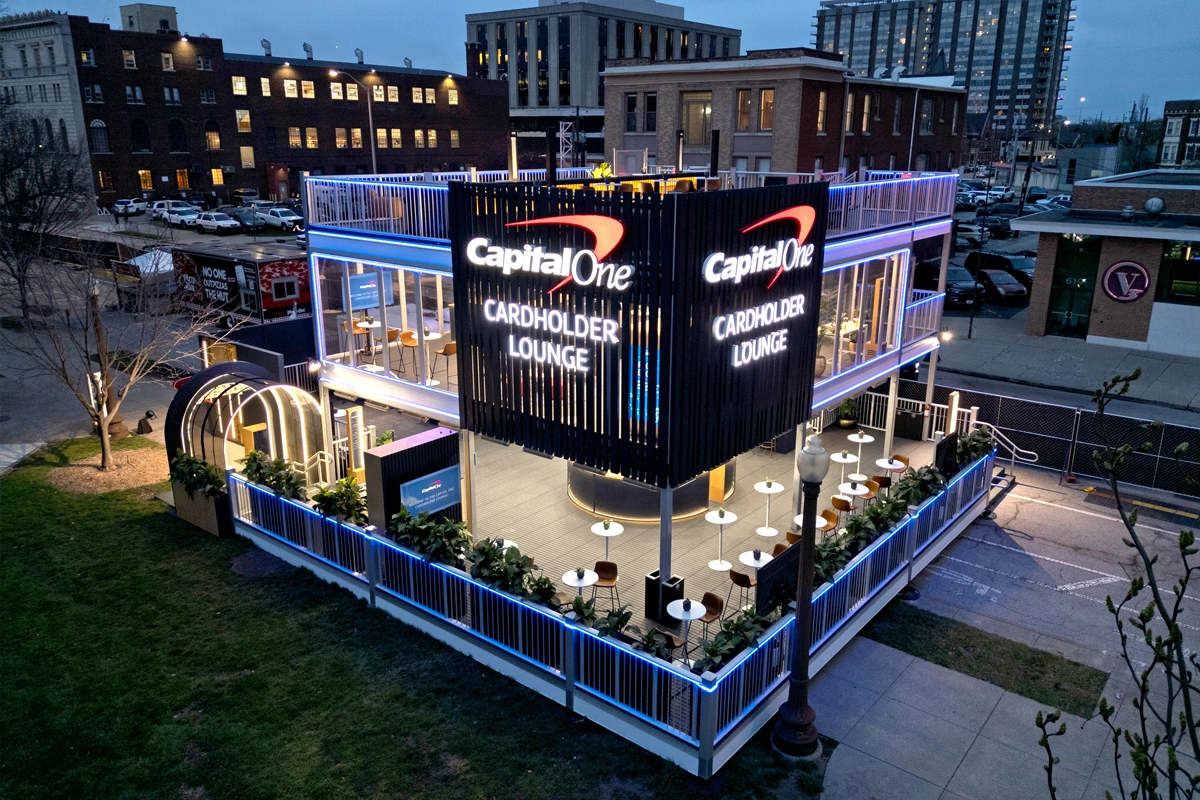
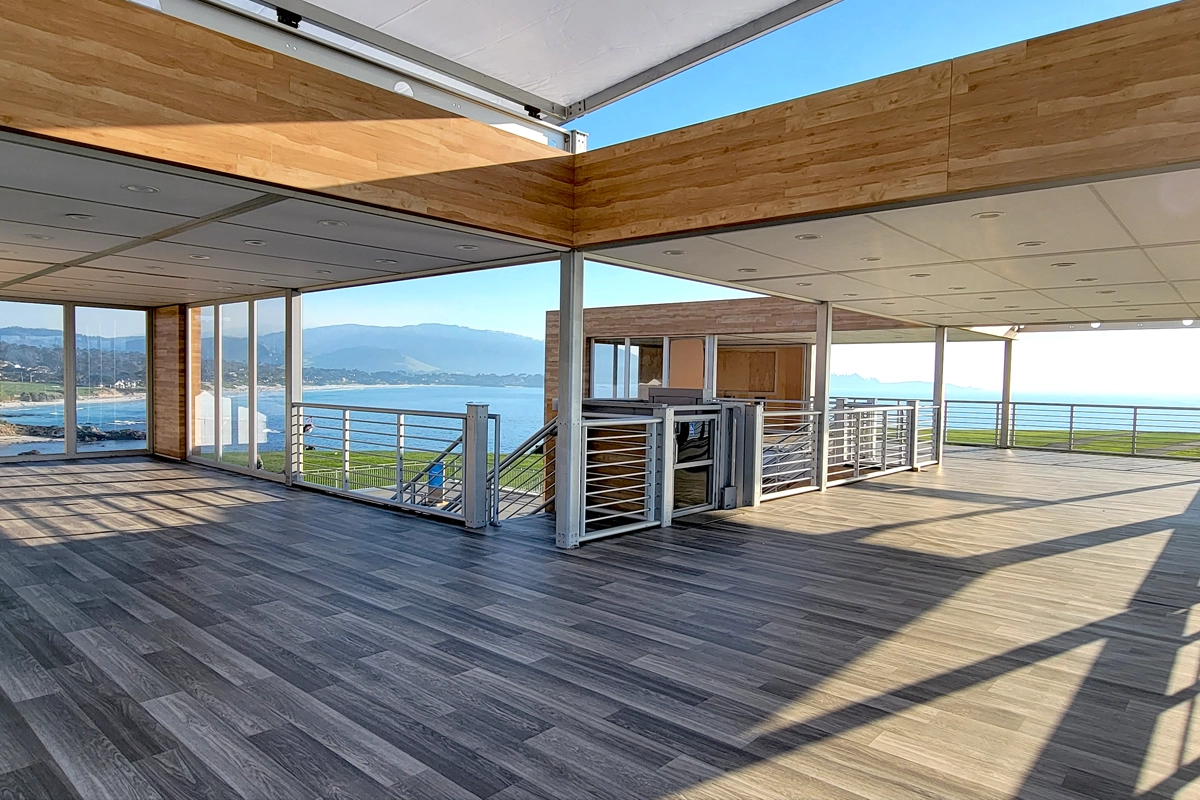
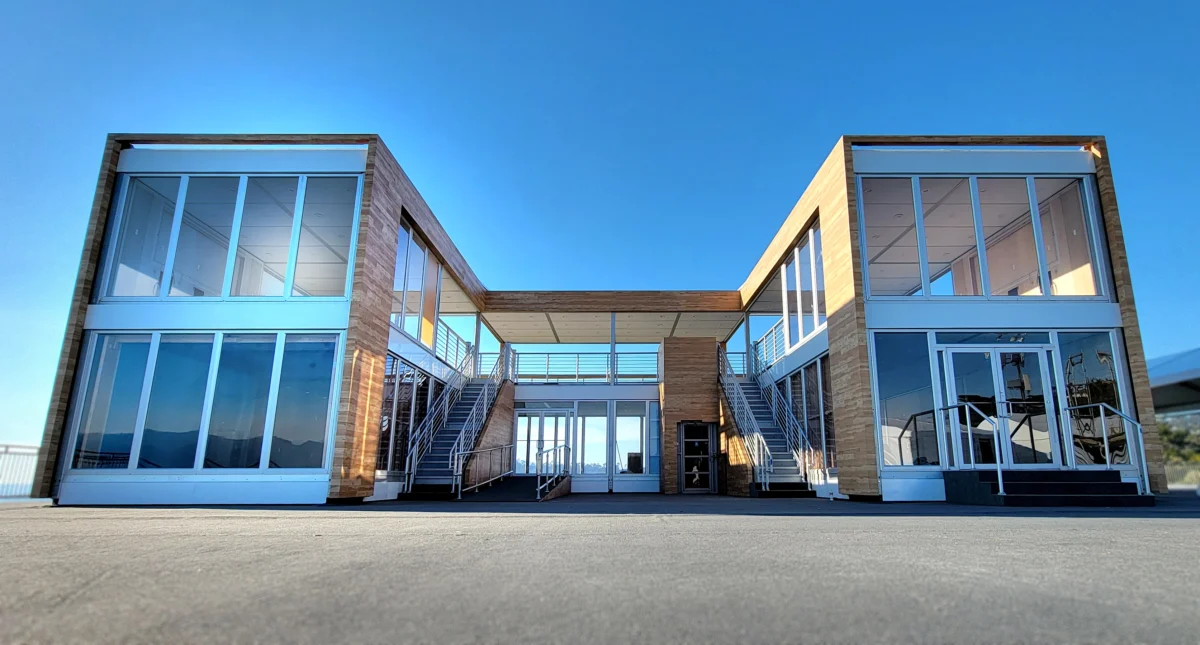
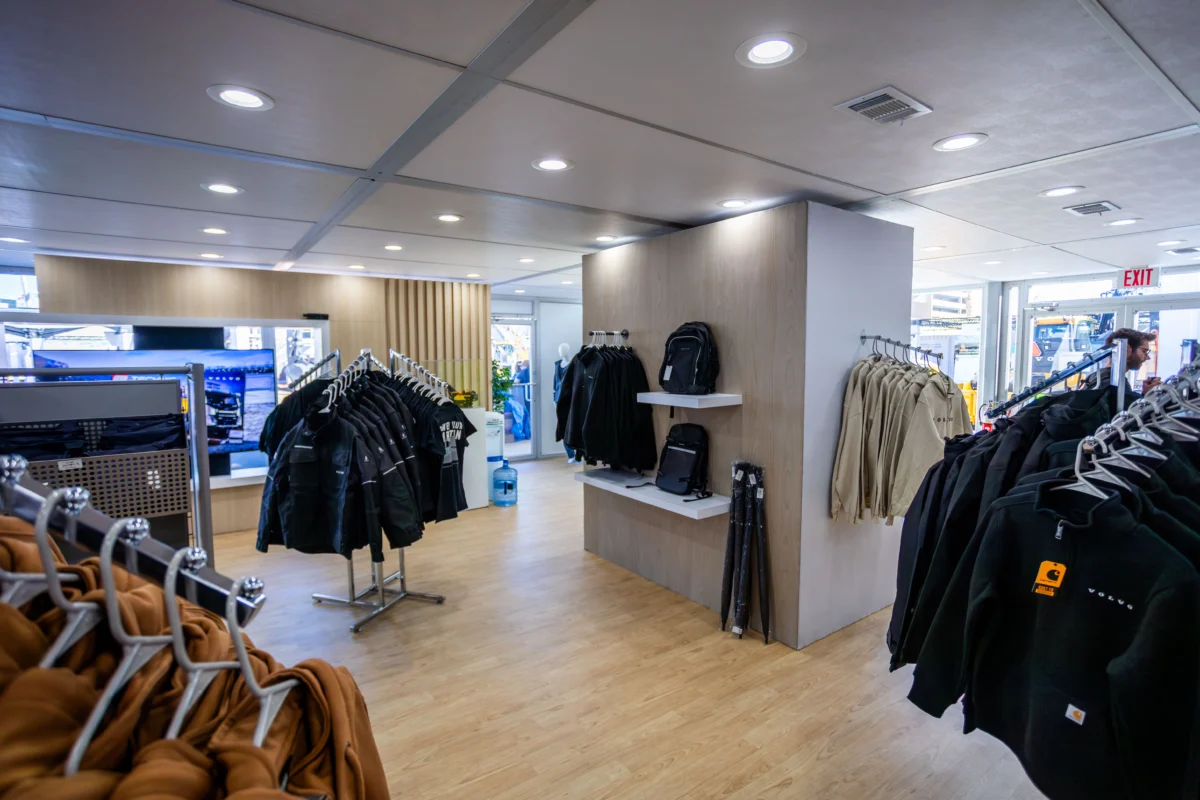
Highmark developed EventMAX as a modular temporary building system specifically for outdoor events. Unlike a tent that is subsequently dressed to resemble architecture, EventMAX starts with architecture: rigid structural framing, hard walls, finished flooring and ceilings, integrated lighting, and the ability to create enclosed, open-air and multi-level environments.
Just as important, it is a rental system. EventMAX structures of numerous sizes, levels and configurations can be quickly erected, dismantled, stored and redeployed in the same or entirely different configurations because they are based on a Lego-like modular system design consisting of pre-engineered components and assemblies. When erected, these structures offer building-quality environments without the capital expense of a building, especially one that is only needed for days or weeks in most event scenarios.
That changes the creative equation. Rather than beginning with, “How do we make this tent look like something else?” designers can begin with the experience they actually want to create to engage the audience they are targeting or accomodating.
Weather Changes More Than the Schedule
Aesthetics are only one reason to rethink temporary outdoor structures. Weather remains one of the most difficult variables in event planning, and its impact extends far beyond whether an event stays open.
Rain, wind and extreme temperatures affect nearly every aspect of the attendee experience. A hot, humid tent can quickly turn a premium hospitality environment into a place guests want to leave. Wind can create noise, movement and distraction. Heavy rain can introduce water, mud and drainage issues. Even when conditions don’t force an event to close, they can dramatically change how comfortable guests are—and how long they remain engaged.
Then there is the more important issue of safety. Temporary outdoor environments have to account for wind loads, structural stability, water management, changing ground conditions and safe occupancy during adverse weather. Severe conditions can require operators to evacuate tented areas entirely, creating difficult decisions about where guests and staff should go and when programming can safely resume.
Purpose-engineered temporary buildings provide another option. EventMAX is engineered specifically for outdoor deployment, with rigid framing, weather-resistant wall systems and structural connections designed for exterior environments. Integrated water management helps move rain away from the structure, while HVAC can provide a controlled interior environment during periods of extreme heat or cold.
While no outdoor structure eliminates the need for a well designed weather and emergency plan, a more substantial structure can provide event producers with another tool for managing both changing conditions and their effect on the guest experience.
The Structure Is Part of the Brand
The other major consideration is perceptual. Today, an event environment isn’t experienced only by the people who attend. It appears in photography, video, social media and earned content, often reaching audiences many times larger than the those onsite. With this reach, the structure, along with its design and functional elements, becomes an important part of the host brand’s image. For example, a rigid architectural environment that incorporates expansive windows or branded walls, finished interiors, integrated lighting, rooftop hospitality and viewing decks, and fully climate-controlled spaces can communicate a polished image of strength, quality and staying power.
EventMAX’s versatile modular design allows the same structural system to create anything from a pavilion to a large single-story environment or multi-level building – all with a wide range of features and accessories that can accommodate different experiences and communicate specific desired messaging.
For event designers and producers, this represents something they historically haven’t had: another, far more versatile category of temporary outdoor structures. Tents will continue to make sense for many applications — they’re familiar, versatile and economical. But for brands that invest heavily in the experiences surrounding their products and services, tents are no longer the only practical rental option for outdoor events. And, even better, outdoor event structures no longer have to look temporary.
This story originally appeared in the Q4 2025 issue of Exhibit City News, p. 84. For original layout, see Print Version